
It is a sticky July afternoon in Boca Raton. You open the hall closet and find a puddle spreading out from under the air handler, or you notice a brown ring forming on the ceiling below the attic unit. An AC leaking water inside your home is one of the most common service calls in South Florida, and it is almost always fixable when you catch it early.
The good news is that your air conditioner is supposed to make water. The problem starts when that water cannot get out of the house the way it was designed to. This guide explains why an AC ends up leaking water indoors, the warning signs to watch for, what you can safely fix yourself, and when it is time to call a licensed technician.
The quick answer:
- The most common cause is a clogged condensate drain line, usually from algae and sludge that grow fast in Florida humidity.
- Other causes include a rusted or cracked drain pan, a dirty filter that freezes the coil, low refrigerant and a failed condensate pump.
- Turn the AC off at the thermostat, cut power at the breaker before touching the unit, and dry the area within 24 to 48 hours to limit mold.
- A simple drain line clearing often costs $100 to $300. Repeated leaks, ice on the coil or a rusted pan need a professional.
Why Is My AC Leaking Water Inside?
Your air conditioner cools your home by pulling warm, humid air across a cold indoor coil called the evaporator coil. Moisture in the air condenses on that coil, just like water beads on a cold glass of iced tea. The water drips into a drain pan under the coil, then flows through a PVC condensate drain line to the outside or into a plumbing drain.
In South Florida, that is a lot of water. On a humid summer day a typical central system can remove several gallons of moisture from your home, and the line has to carry all of it away. If anything slows that flow, the pan fills and the water goes the only place it can: onto your floor, into your ceiling or down the wall.
Many Florida systems also have a safety backup: a secondary drain pan, a secondary drain line, or a float switch that shuts the AC off when water rises. These backups are there because the mechanical code recognizes that a blocked primary drain can damage a building. When the backup is missing, stuck or blocked too, the result is an AC leaking water inside.
8 Common Causes of AC Water Leakage
Most AC water leakage comes down to one of the problems below. Some are simple maintenance issues. Others point to a part that is failing.
1. Clogged Condensate Drain Line
This is the number one cause, especially in Palm Beach and Broward counties. The drain line stays warm, dark and wet, which is perfect for algae, mold and bacteria. Over time they form a slimy sludge that mixes with dust and pet hair until the line slows or stops. Water backs up into the pan, and the pan overflows. A gurgling sound, a musty smell or water dripping from a pipe over a window are all clues the line is clogged.
2. AC Drain Pan Overflow From a Rusted or Cracked Pan
Older metal drain pans rust through, especially on systems that are 10 to 15 years old or in homes near the coast. Plastic pans can crack or warp from age and heat. Even a small hole lets water drip out before it reaches the drain line. An AC drain pan overflow can also happen when the pan is fine but the line is blocked, so it is worth checking both. A secondary pan that already holds water is a warning that the primary system is not draining.
3. Dirty Air Filter and a Frozen Evaporator Coil
A clogged filter chokes off airflow across the coil. With too little warm air moving over it, the coil gets so cold that the moisture on it freezes into a layer of ice. When the system cycles off, that ice melts all at once and can overwhelm the pan. Ice on the copper refrigerant lines, weak airflow from the vents and warm air from a system that is running nonstop are signs of a frozen coil.
4. Low Refrigerant
Low refrigerant also makes the coil too cold, which leads to the same freeze and thaw cycle. Refrigerant does not get used up, so a low charge means there is a leak somewhere in the system. Hissing or bubbling sounds, higher power bills and a house that never feels cool are common signs. Only a licensed, EPA-certified technician can find the leak and recharge the system.
5. Failed Condensate Pump
If your air handler sits in a spot where water cannot drain by gravity, such as a basement-level closet or some condos, a small condensate pump pushes the water out. When the pump motor fails, the float sticks or the check valve clogs, water collects and spills over. A pump that runs constantly, never runs, or has a full reservoir needs attention.
6. Stuck, Tripped or Missing Float Switch
A float switch is a small safety device in the drain pan or drain line. When water rises, it cuts power to the AC so the pan cannot overflow. If the float is stuck, wired incorrectly or was never installed, nothing stops the water. If your AC suddenly shuts off and will not restart, a tripped float switch is often the reason, and it means the drain is backing up.
7. Disconnected, Poorly Sloped or Damaged Drain Line
Drain lines need a steady downward slope to move water by gravity. A line that sags, was installed level, or came apart at a fitting can leak inside a wall or above a ceiling. This is common after a new installation, a remodel, or when someone has bumped the line in a closet or attic.
8. Sweating Ducts and Air Handler Cabinets
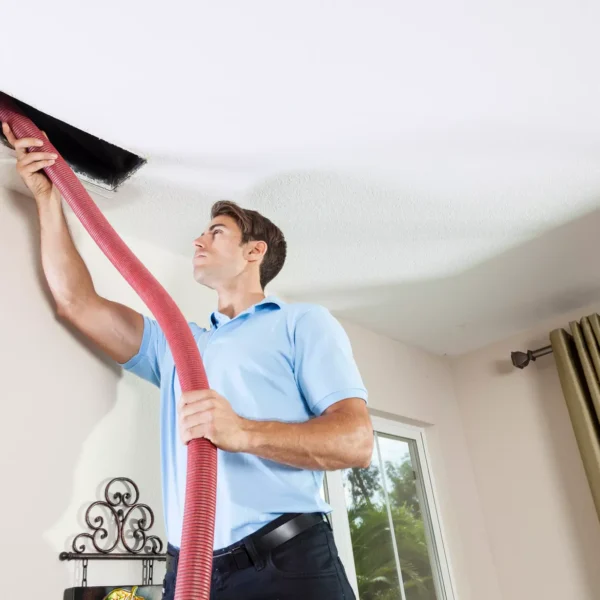
Not every air conditioning water leak comes from the drain. In a hot Florida attic, cold supply ducts and air handler cabinets can sweat when their insulation is torn, thin or missing. That condensation drips onto the ceiling below and can look exactly like a drain leak. Leaky duct connections that pull in humid attic air make it worse.
Use this table to narrow down what you are seeing:
| Cause | Common clue | DIY or pro? |
| Clogged condensate drain line | Water near the air handler, gurgling, musty smell, drip from secondary line | DIY clearing often works; pro if it keeps coming back |
| Rusted or cracked drain pan | Water under the unit even though the line drains | Pro |
| Dirty filter and frozen coil | Ice on lines or coil, weak airflow | Change the filter, let it thaw; pro if it refreezes |
| Low refrigerant | Ice, hissing, poor cooling, high bills | Pro (EPA-certified) |
| Failed condensate pump | Pump silent or running nonstop, full reservoir | Pro |
| Stuck or missing float switch | AC shuts off and will not restart, or overflow with no shutoff | Pro |
| Disconnected or sagging drain line | Leak in a wall or ceiling away from the unit | Pro |
| Sweating ducts or cabinet | Ceiling stains along duct runs, damp insulation | Pro |
Warning Signs of an Air Conditioning Water Leak
An air conditioning water leak does not always announce itself with a puddle. Watch for these early signs:
- Water dripping from a small pipe above a window or soffit. In many Florida homes that is the secondary drain line, and when it drips, the primary line is clogged.
- Water or rust in the secondary pan under an attic air handler.
- Brown stains, bubbling paint or sagging drywall on ceilings below the attic unit.
- Damp carpet, swollen baseboards or warped flooring near the air handler closet.
- A musty or mildew smell when the AC turns on.
- Gurgling or bubbling sounds from the unit or drain line.
- The AC shuts off on its own and will not restart, which often means a float switch tripped.
- Ice or frost on the refrigerant lines or indoor coil.
- Higher indoor humidity, a clammy feel or condensation on windows, even with the AC running.
If you notice two or more of these at once, schedule a service visit before the leak causes drywall or flooring damage.
What to Do Right Away When Your AC Is Leaking Water Indoors
When you find your AC leaking water indoors, a few quick steps can limit the damage:
- Turn the system off at the thermostat so it stops producing more water.
- Switch off the AC breaker at the electrical panel before you touch the air handler. Water and electrical parts do not mix.
- Soak up standing water with towels or a wet/dry vacuum and move furniture, rugs and boxes out of the way.
- Check the secondary drain pan, if you have one, and empty it carefully.
- Look at your air filter and replace it if it is dirty.
- If you see ice on the coil or lines, leave the system off and let it thaw completely, which can take several hours.
- Take photos of the leak and any damage in case you need them for your records or an insurance claim.
- Dry the area with fans or a dehumidifier within 24 to 48 hours.
How to Fix an AC Leaking Water Inside
The right fix for an AC leaking water inside depends on the cause. Some problems are safe for homeowners to handle. Others involve refrigerant, electrical parts or sealed components that need a licensed pro.
Safe DIY Fixes
- Replace the air filter. Check it monthly in summer and change it every one to three months, or more often with pets.
- Clear the drain line with a wet/dry vacuum. With the power off, attach the vacuum to the outdoor end of the condensate line and run it for a minute or two to pull out the clog.
- Flush the line with vinegar. Pour about a cup of distilled white vinegar into the access port near the air handler (often a capped T-fitting), wait 30 minutes, then flush with water and confirm it drains outside.
- Inspect the drain pan. Use a flashlight to look for rust, cracks or standing water.
- Check that the drain line is connected at every visible fitting.
Stop and call a technician if you would need to open a panel with wiring behind it, remove the coil cover, or if the leak returns within days of clearing the line. Avoid harsh chemicals such as undiluted bleach in the drain line, which can damage some pans and fittings.
Fixes That Need a Licensed Technician
- Finding and repairing a refrigerant leak, then recharging the system to the correct level.
- Thoroughly cleaning a dirty or frozen evaporator coil.
- Replacing a rusted or cracked drain pan, which on many systems is part of the coil assembly.
- Repairing or replacing a condensate pump.
- Installing, testing or rewiring a float switch.
- Re-sloping, repairing or rerouting a drain line inside walls or ceilings.
- Sealing and re-insulating sweating ducts or air handler cabinets.
What AC Leak Repairs Typically Cost in South Florida
Prices vary by home, access and the age of your system, but these 2026 ranges give you a realistic starting point:
| Repair | Typical cost (2026, South Florida) |
| Condensate drain line clearing and flush | $100 to $300 |
| Float switch installation or replacement | $100 to $300 |
| Condensate pump replacement | $200 to $600 |
| Secondary drain pan replacement (attic unit) | $200 to $600 |
| Evaporator coil cleaning | $150 to $500 |
| Refrigerant leak search and repair, plus recharge | $300 to $1,500+ |
| Evaporator coil replacement (includes the primary pan on many units) | $1,500 to $3,500+ |
| Duct sealing and insulation repair | $300 to $1,500+ |
If your system is more than 12 years old and needs a new coil or a major refrigerant repair, it may make more sense to replace it. Our guide to AC Replacement Options and Pricing breaks down what a new system costs in Florida and how to decide between repair and replacement.
Is AC Water Leakage Dangerous for Your Home?
A small amount of AC water leakage may not look urgent, but it rarely stays small. Left alone, it can lead to:
- Mold growth. The EPA advises drying water-damaged areas within 24 to 48 hours to help prevent mold, which can grow quickly in Florida humidity.
- Ceiling and drywall damage. Water from an attic unit soaks insulation and drywall, and a saturated ceiling can sag or collapse.
- Flooring damage. Wood, laminate and baseboards swell and warp when water sits against them.
- Electrical risk. Water near the air handler, outlets or wiring is a safety hazard.
- A bigger repair bill. A clogged line that is ignored can rust the pan, flood the float switch and damage the coil.
Homeowners insurance often treats sudden water damage differently from damage caused by a slow leak or skipped maintenance. Review your policy, document the damage with photos, and keep records of your AC service visits.
Why South Florida Homes See More AC Leaks
An AC leaking water inside is more common here than in most of the country, and the reasons are local:
- Humidity. More moisture in the air means more water through the drain every hour the system runs.
- Year-round runtime. Most South Florida systems run nine to ten months a year, so the drain line rarely dries out and algae keeps growing.
- Attic air handlers. Many homes have the indoor unit in a hot attic, so a leak goes straight into the ceiling.
- Salt air and age. Coastal air speeds up corrosion of metal pans and coils.
If you want to understand how installation choices, drain design and equipment placement affect leaks, see our page on AC Leaking Water Causes In Palm Beach, FL.
How to Prevent Your AC From Leaking Water Inside
A few habits go a long way toward keeping your AC from leaking water inside again:
- Flush the condensate drain line with distilled white vinegar every three months, and monthly in peak summer if you have had clogs before.
- Change your air filter every one to three months.
- Make sure every attic or closet air handler has a working float switch, and test it during maintenance.
- Keep the area around the indoor unit clear so you can spot water early.
- Ask about drain line treatment tablets for the pan if your line clogs often.
- Book professional maintenance at least once a year, and twice a year in South Florida. The U.S. Department of Energy notes that regular maintenance, including keeping the coil and drain channels clean, helps an AC run efficiently and last longer.
A seasonal tune-up from Greg’s Air Solutions includes clearing and flushing the condensate drain, testing the float switch, checking the pan, inspecting the coil and verifying refrigerant levels, so a small clog never turns into a ceiling repair.
Frequently Asked Questions
Why is my AC leaking water inside the house?
The most common reason an AC is leaking water inside is a clogged condensate drain line. Other causes include a rusted or cracked drain pan, a dirty filter that freezes the coil, low refrigerant, a failed condensate pump and a disconnected drain line.
Is it safe to run my AC if it is leaking water?
It is best to turn it off. Running the system keeps adding water, can spread damage, and puts water near electrical parts. If you must cool the house briefly, make sure the leak is contained and get the system checked as soon as possible.
Can I fix an AC drain pan overflow myself?
If the overflow comes from a clogged drain line, you can often clear it with a wet/dry vacuum and a vinegar flush after turning off the power. If the pan is rusted or cracked, the leak keeps coming back, or there is ice on the coil, call a technician.
How much does it cost to fix an AC leaking water indoors?
A simple drain line clearing usually costs $100 to $300 in South Florida. Pump, float switch and secondary pan repairs often run $100 to $600. Refrigerant leak repairs and coil replacements cost more.
Can a dirty air filter cause an air conditioning water leak?
Yes. A dirty filter blocks airflow, the evaporator coil freezes, and when the ice melts it can overflow the drain pan. Changing the filter is the easiest way to prevent this.
Why is water dripping from a pipe above my window?
In many Florida homes that pipe is the secondary drain line. Water there means the primary drain is blocked and the backup is doing its job. Have the primary line cleared soon, before the secondary pan or line overflows too.
How often should I flush my AC drain line in Florida?
Every three months is a good rule, and monthly during the hottest, most humid months if your line has clogged before. A professional should also clean it during each maintenance visit.
Stop the Leak Before It Becomes Water Damage
An AC leaking water inside is a warning, not a reason to panic. Most leaks are caught early and fixed in a single visit, as long as you act before the water reaches your ceiling, walls or floors. We find the real cause, fix it the right way and make sure your backups are working so it does not happen again.
Homeowners across Palm Beach County count on Greg’s Air Solutions for fast, honest AC Repair in Boca Raton, FL. Same-day service is often available during the summer.