
The first cold front of the season rolls into Palm Beach County, the overnight low drops into the 40s, and you switch the thermostat to heat for the first time since last winter. Then you notice a burning smell, a strange clicking, or air from the vents that feels barely warm. In South Florida, heat gets used only a few weeks a year, so problems tend to hide until the one night you actually need it.
That is why heating system maintenance matters even in a warm climate. A short, scheduled visit keeps your heat pump or furnace safe, efficient and ready, and it gives you time to plan a repair or replacement on your terms instead of during a cold snap.
This guide covers what heating system maintenance includes, how often to schedule it, the warning signs that point to a repair, and how to tell when a new installation makes more sense.
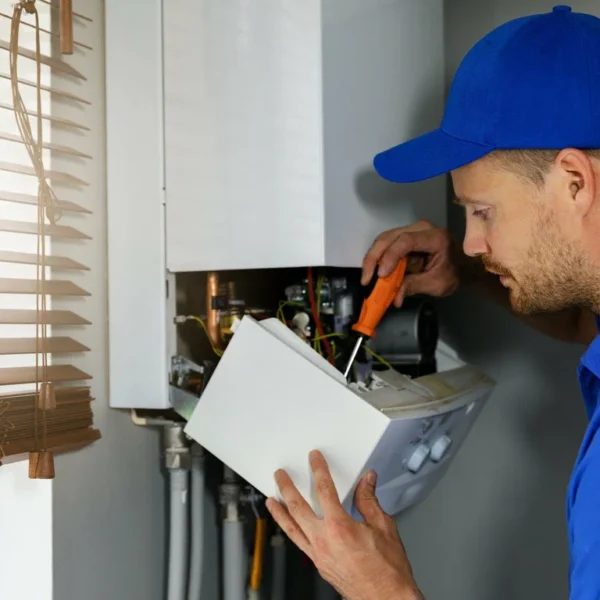
The quick answer:
- Most South Florida homes heat with a heat pump or electric heat strips in the air handler, and both need regular care even though they run only part of the year.
- The U.S. Department of Energy reports that a neglected heat pump can use 10 to 25 percent more energy than a well-maintained one.
- Plan on a professional heating system inspection once a year, ideally in the fall, plus a spring visit for the AC side of the system.
- If your system is 12 to 15 years old, needs frequent repairs, or uses R-22 refrigerant, replacement often costs less over time than continued repairs.
What Heating System Maintenance Means for South Florida Homes
Heating system maintenance is the routine cleaning, testing and adjustment of the equipment that warms your home. The goal is simple: keep the system safe, keep it running at its rated efficiency, and catch worn parts before they fail. What that looks like depends on the type of system you have.
Common Heating Systems in Wellington and Boca Raton
| System | How it heats | Maintenance focus |
| Heat pump | Reverses the refrigerant cycle to move outdoor heat inside | Reversing valve, defrost controls, refrigerant charge, coils, auxiliary heat |
| Electric heat strips (air handler) | Electric coils warm air as it passes through the air handler | Heating elements, sequencers, limit switches, wiring, airflow |
| Gas furnace | Burns natural gas or propane in a sealed heat exchanger | Burners, igniter, flame sensor, heat exchanger, venting, carbon monoxide safety |
| Ductless mini-split | A heat pump with indoor wall or ceiling units and no ducts | Indoor unit filters and coils, drain pans, outdoor unit, refrigerant lines |
Why Mild Winters Still Call for Care
A system that sits idle for nine or ten months is not resting. Dust settles on heating elements, humidity corrodes electrical contacts, and controls that have not switched modes since last January can stick. In a heat pump, the same compressor and coils do the cooling all summer, so wear from the long cooling season carries straight into heating performance. Preventive heating maintenance closes that gap before you need the heat.
Why Preventive Heating Maintenance Pays Off
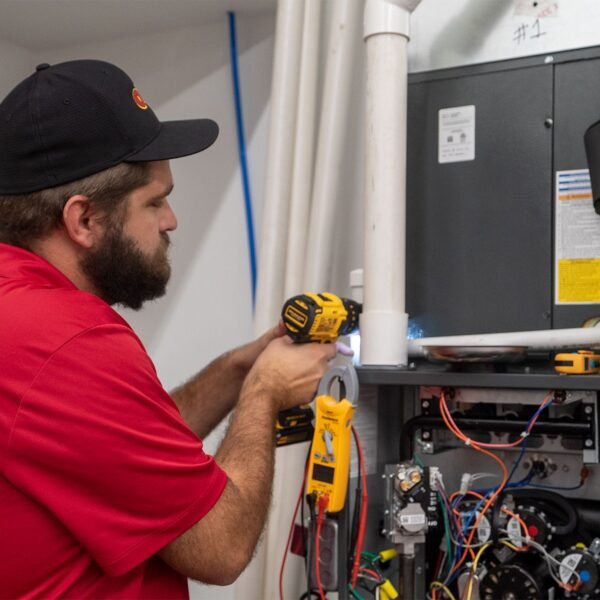
Preventive heating maintenance is about fixing small things on your schedule so they do not become large things on the coldest night of the year. Here is what you get from it.
- Lower energy use. Clean coils, correct refrigerant charge and good airflow let a heat pump deliver heat without leaning on expensive auxiliary heat strips.
- Safety. Loose wiring, overheated heat strips and cracked furnace heat exchangers are fire and carbon monoxide risks. An inspection checks for all of them.
- Fewer breakdowns. Weak capacitors, worn contactors and failing sequencers usually give warning signs a technician can measure before they quit.
- Longer equipment life. Systems that get consistent heating equipment maintenance are more likely to reach the long end of their expected lifespan.
- Warranty protection. Many manufacturers require proof of regular professional maintenance to honor parts warranties. Keep your service records.
What a Professional Heating System Inspection Includes
A real heating system inspection is more than turning the thermostat up and feeling for warm air. A licensed technician should test, measure and clean each part of the system, then give you a written report. Good heating system maintenance always starts with this inspection.
Heat Pump and Air Handler Checklist
- Replace or clean the air filter and check the filter size and rating.
- Test the system in heat mode and confirm the reversing valve switches cleanly.
- Measure supply and return air temperatures to confirm proper heat output.
- Check refrigerant pressures and look for signs of leaks at coils and line sets.
- Test the defrost cycle and defrost sensor on the outdoor unit.
- Inspect and test auxiliary or emergency heat strips, sequencers and high-limit switches.
- Test capacitors, contactors and motors, and tighten all electrical connections.
- Clean or inspect the indoor and outdoor coils and clear debris around the condenser.
- Flush the condensate drain and test the float switch.
- Calibrate the thermostat and confirm heat, cool and emergency heat settings work correctly.
Extra Safety Checks for Gas Furnaces
If your home has a gas furnace, heating equipment maintenance also needs to cover combustion safety. A technician should inspect the burners and igniter, clean the flame sensor, examine the heat exchanger for cracks, test the gas pressure, and confirm the flue vents safely to the outside. Every home with gas appliances should also have working carbon monoxide alarms near sleeping areas.
If you live in Palm Beach County, our team provides Heating System Maintenance in Wellington, FL for heat pumps, air handlers and furnaces, with a full written checklist after every visit.
Heating Equipment Maintenance Schedule
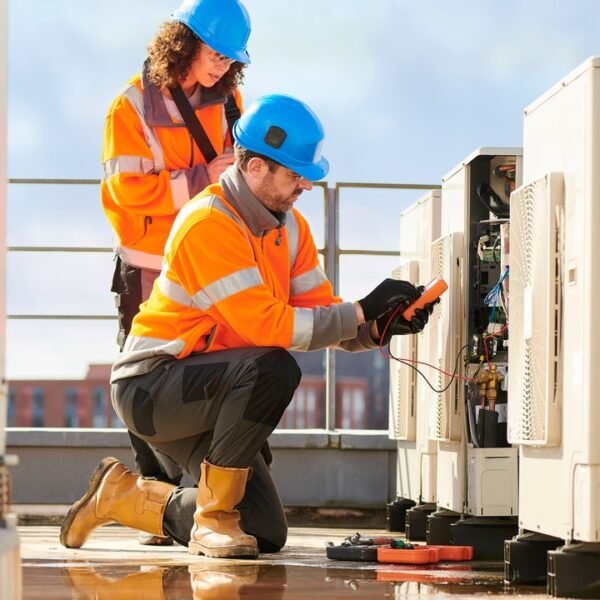
Because the same system heats and cools most South Florida homes, it makes sense to plan heating and cooling care together. A practical heating equipment maintenance schedule looks like this:
| Task | How often | Who |
| Check and replace the air filter | Every 1 to 3 months | Homeowner |
| Keep 2 feet of clear space around the outdoor unit | Monthly | Homeowner |
| Test heat mode for 10 to 15 minutes before the first cold front | Each October or November | Homeowner |
| Test carbon monoxide alarms (homes with gas appliances) | Monthly | Homeowner |
| Professional heating system inspection | Once a year, in the fall | HVAC technician |
| Professional cooling tune-up | Once a year, in the spring | HVAC technician |
| Duct inspection and sealing check | Every 2 to 3 years | HVAC technician |
Many homeowners bundle both visits into a maintenance plan, which keeps the schedule on track and often adds priority service. Our HVAC Maintenance Service covers heating and cooling checks in one plan, so nothing gets missed between seasons.
What Homeowners Can Do Between Visits
- Change the filter on schedule. A clogged filter restricts airflow and can trip the heat strip high-limit switch.
- Keep supply vents and return grilles open and clear of furniture and rugs.
- Listen for new sounds when the heat runs, such as grinding, squealing or loud clicking.
- Note any change in your power bill during cool months. A spike can mean the system is relying on auxiliary heat.
What to Leave to a Technician
Refrigerant work, electrical testing, heat strip repairs and anything involving gas lines or a heat exchanger should be handled by a licensed professional. These jobs carry real shock, fire and carbon monoxide risks, and refrigerant handling requires EPA certification.
Signs Your Heating System Needs Repair
Even with good preventive heating maintenance, parts eventually wear out. Call for service if you notice any of these warning signs:
- The system runs but blows cool or lukewarm air in heat mode.
- The thermostat shows “aux heat” or “emergency heat” much of the time on mild days.
- A burning smell that does not fade after the first few minutes of use.
- Breakers that trip when the heat comes on.
- Ice that stays on the outdoor unit for hours instead of clearing during defrost.
- Short cycling, where the system turns on and off every few minutes.
- Grinding, banging or screeching noises from the indoor or outdoor unit.
- A carbon monoxide alarm, or a yellow, flickering flame in a gas furnace. Leave the house and call for help right away.
Common Heating Repairs and Their Causes
| Problem | Likely cause |
| No heat, but the fan runs | Failed heat strip, sequencer, reversing valve or thermostat setting |
| Cool air in heat mode | Low refrigerant, stuck reversing valve or failed defrost control |
| High bills on cool days | Heat pump not keeping up, so auxiliary heat runs too often |
| Breaker trips | Shorted heat strip, damaged wiring or a failing motor |
| Outdoor unit will not start | Weak capacitor, failed contactor or compressor problem |
| Furnace will not ignite | Dirty flame sensor, failed igniter or gas supply issue |
What Is Normal and What Is Not
Some things that seem alarming are normal. A faint dusty smell during the first few minutes of heat usually means dust is burning off the heat strips. On cold, damp mornings, a heat pump may pause, and the outdoor unit may give off a cloud of steam during its defrost cycle. If the smell lingers, smells electrical, or the outdoor unit stays frozen, turn the system off and call a technician.
Repair or Replace: When a New Heating System Installation Makes Sense
Regular heating system maintenance and timely repairs can keep a system going for years, but not forever. In South Florida’s heat and salt air, most heat pumps and air conditioners last about 10 to 15 years. Replacement is usually the better investment if:
- The system is 12 to 15 years old and needs a major repair, such as a compressor or reversing valve.
- It still uses R-22 refrigerant, which is no longer produced and is expensive to recharge.
- You have needed several repairs in the past two years.
- Your energy bills stay high even after a full tune-up.
- Some rooms never get comfortable, which can point to a system that was sized wrong from the start.
A helpful rule of thumb: if the repair costs more than about half the price of a new system and the unit is past the middle of its life, get a replacement quote before you approve the repair.
What a Proper Installation Includes
The quality of the installation matters as much as the brand. A well-installed system should include:
- A load calculation. A Manual J calculation sizes the system to your home instead of matching the old unit’s tonnage.
- Efficient equipment. Current federal standards require new split heat pumps to meet at least 14.3 SEER2 and 7.5 HSPF2. Higher ratings lower operating costs further.
- Current refrigerants. Most new systems use lower-impact refrigerants such as R-454B or R-32, which require updated equipment and handling.
- Permits and inspection. Florida requires a mechanical permit for HVAC replacement, pulled by a licensed contractor.
- Ductwork check. Leaky or undersized ducts can undo the gains of a new system.
- Commissioning. The installer should test refrigerant charge, airflow and both heating and cooling modes before leaving.
When it is time to upgrade, our team handles AC Repair Installation in Boca Raton, FL with proper sizing, permits and a full start-up test, so your new system heats and cools the way it was designed to.
How to Choose a Heating Contractor
- Ask exactly what their heating system maintenance visit includes, and whether you get a written report.
- Verify the contractor’s Florida license through the Florida DBPR website.
- Ask for proof of liability and workers’ compensation insurance.
- Get a written estimate that lists equipment model numbers, ratings and what is included.
- Ask whether they perform a load calculation for new installations.
- Read recent local reviews and ask how they handle warranty service.
Frequently Asked Questions
How often should I schedule heating system maintenance?
Schedule heating system maintenance once a year, ideally in October or November before the first cold front. Because most South Florida systems also cool the home, add a spring tune-up for the AC side.
Do I need heating maintenance if I live in South Florida?
Yes. Heat pumps use the same compressor and coils for heating and cooling, so wear from summer affects winter performance. Heat strips and furnaces that sit unused for months also collect dust and develop electrical problems.
What happens during a heating system inspection?
A technician tests the system in heat mode, checks refrigerant pressures, inspects heat strips or burners, tests electrical parts and safety switches, cleans or replaces the filter, and calibrates the thermostat.
Why does my heater smell like burning when I first turn it on?
A light dusty smell for the first few minutes is usually dust burning off the heating elements and is normal. A smell that lasts, or smells like melting plastic or wiring, means you should turn the system off and call a pro.
Why are my energy bills higher in winter?
The most common cause is the heat pump relying on auxiliary heat strips, which use much more electricity. Low refrigerant, a dirty filter or a faulty defrost control can all cause this, and preventive heating maintenance usually catches them.
How long does a heating system last in Florida?
Most heat pumps last about 10 to 15 years in South Florida. Salt air, heavy year-round use and skipped maintenance can shorten that, while regular heating equipment maintenance helps you reach the upper end.
About Greg’s Air Solutions
Greg’s Air Solutions LLC is a heating and air conditioning company serving Wellington, Boca Raton and nearby South Florida communities. Our licensed technicians handle heating system maintenance, heat pump and AC repair, and new system installation, with clear pricing and a written report after every visit. [Add years in business, license number and any brand certifications here.]
Book Your Heating System Maintenance Before the Next Cold Front
Cold snaps in South Florida are short, but they come without much warning. A fall heating system inspection makes sure your heat works when you need it, keeps your energy bills in check, and gives you time to plan any repairs or a replacement on your schedule.
Let our team handle your heating system maintenance, repairs and installations, so your home stays comfortable in every season.