
It is 4 p.m. in August, the thermostat says 76, and the house still feels like 82. The AC has been running since lunch and the power bill keeps climbing. Before you assume the system is failing, check the part most homeowners never see: the coils.
AC coil cleaning is the process of removing the dust, grime, pollen and salt film that build up on your air conditioner’s indoor evaporator coil and outdoor condenser coil. Those coils are where your system absorbs heat from your home and releases it outside. When they are coated in dirt, heat cannot move, and your AC works harder to deliver less cooling.
In Palm Beach County, where air conditioners run most of the year in heavy humidity and coastal air, dirty coils are one of the most common reasons a healthy system loses its cooling power. This guide explains the warning signs, what a professional cleaning involves, typical costs, what you can safely do yourself and how often to schedule it.
The quick answer:
- Longer run times, warmer air from the vents, higher bills and ice on the refrigerant lines are the most common signs of dirty AC coils.
- Your system has two coils. The outdoor condenser coil collects yard debris and salt. The indoor evaporator coil collects dust that gets past the filter, which is harder to see and harder to clean.
- A standard professional AC coil cleaning typically runs about $100 to $400. Indoor coils that must be pulled out for cleaning cost more.
- Most South Florida homes should have both coils inspected once a year, and coastal homes may need cleaning more often.
How Your AC Coils Work and Why They Get Dirty
Every central air conditioner and heat pump uses two heat exchangers. The evaporator coil sits indoors, on top of or inside your air handler. Warm indoor air blows across it, the refrigerant inside absorbs the heat, and moisture condenses and drains away. The condenser coil wraps around the outdoor unit, where a fan pushes that heat out into the yard.
Both coils are made of copper or aluminum tubing surrounded by thin metal fins. Those fins are packed tightly to create surface area, which also makes them very good at catching dirt. That is why regular AC coil cleaning matters so much for efficiency.
| Coil | Location | What clogs it | How fast it fouls |
| Evaporator coil | Indoors, in the air handler closet, garage or attic | Dust and pet hair that slip past the filter, plus a damp film that can grow mold | Slowly, but faster with cheap or overdue filters |
| Condenser coil | Outdoors, inside the condenser cabinet | Grass clippings, leaves, pollen, dryer lint, salt spray | Faster near the coast, landscaping or construction |
Why Coils Foul Faster in South Florida
Our systems rarely get a break. A unit in Boca Raton or Lake Park may run 10 to 12 months a year, so it moves far more air, and far more dirt, than a system in a cooler state. Constant humidity keeps the indoor coil wet, which helps dust stick and gives mold and mildew a place to grow. Near the Intracoastal and the beach, salt in the air leaves a sticky film on the outdoor coil that traps pollen and debris.
7 Signs Your AC Needs Coil Cleaning

Dirty AC coils rarely cause a sudden breakdown. The symptoms creep in over months, so they are easy to blame on the weather. Watch for these signs:
- Longer run times. The system runs much longer to reach the thermostat setting, or never shuts off on hot afternoons.
- Weaker or warmer airflow. Air from the vents feels cool rather than cold, or some rooms never catch up.
- Rising energy bills. Your usage climbs month over month with no change in your habits or rates.
- Ice on the refrigerant lines or indoor coil. A dirty evaporator coil restricts airflow, the coil gets too cold and moisture freezes on it.
- A musty or sour smell. Mold and bacteria on a wet, dirty evaporator coil can send odors through your vents.
- Higher indoor humidity. The house feels clammy even when it is cool, because a fouled coil removes less moisture.
- Visible buildup. You can see matted dirt, lint or a gray film on the outdoor fins, or dust on the indoor coil when the access panel is open.
One sign alone does not prove the coils are the problem. Low refrigerant, a weak capacitor or a failing blower motor can cause similar symptoms. When you notice two or three of these signs together, it is time for an inspection and, if needed, a professional AC coil cleaning.
What Dirty Coils Do to Your AC Over Time
A thin layer of dirt acts like insulation. It blocks heat transfer and restricts the air moving through the fins. Research published by the U.S. Department of Energy’s Building America program found that blocking about half of a condenser coil reduced efficiency by roughly 6 percent, and the effect builds as fouling gets worse.
Lost efficiency is only part of the cost. Left alone, dirty coils can lead to:
- Higher head pressure and heat on the compressor, the most expensive part of your system.
- Frozen evaporator coils and water leaks when the ice melts into the drain pan.
- Poor humidity control and a higher risk of mold in the air handler.
- Shorter equipment life and more frequent repair calls during peak summer.
Routine AC coil cleaning protects the compressor and keeps the system operating close to its rated performance.
How Professional AC Coil Cleaning Works
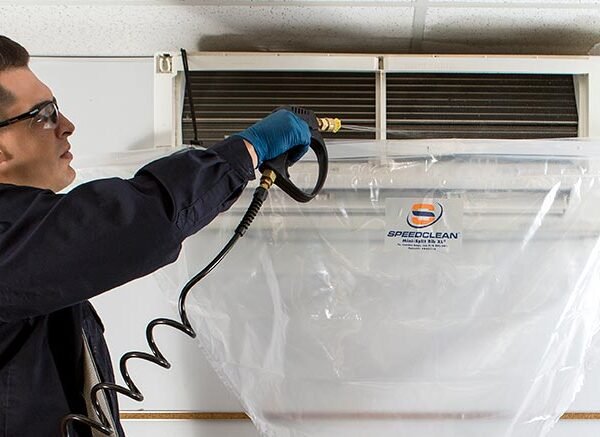
A proper AC coil cleaning is more than a quick spray from a garden hose. When our technicians handle an AC coil cleaning service call, the visit usually follows these steps:
- Inspect and diagnose. The technician checks the temperature split, airflow, filter and refrigerant pressures to confirm the coils are actually the issue.
- Shut off power. The system is turned off at the thermostat and the outdoor disconnect before any panels come off.
- Clean the condenser coil. Debris is cleared, then a coil cleaner is applied and rinsed from the inside out with low water pressure, so dirt is pushed out instead of deeper into the fins.
- Clean the evaporator coil. The access panel is opened and a no-rinse or rinse-type coil cleaner suited to the coil is applied. Heavily fouled coils may need to be removed for a deeper cleaning.
- Straighten fins and clear the drain. Bent fins are combed back into place, and the condensate pan and drain line are flushed to prevent clogs and leaks.
- Test performance. The system is restarted and checked again so you can see the improvement in temperature split and airflow.
If your system needs a thorough evaporator and condenser coil cleaning, our AC Coil Cleaning Service covers both coils, the drain line and a full performance check.
Evaporator Coil Cleaning vs. Condenser Coil Cleaning
Condenser coil cleaning is the simpler job because the coil is outside and easy to reach. Evaporator coil cleaning takes more care. The coil sits inside a sealed cabinet, often in a tight closet or hot attic, and it sits above the drain pan, so cleaner and runoff must be controlled to protect the air handler and your ceiling.
How Much Does AC Coil Cleaning Cost?
AC coil cleaning prices depend on which coil needs work, how dirty it is and how hard it is to reach. These are typical ranges for South Florida homes. Your quote may differ.
| Service | Typical cost range | What drives the price |
| Condenser coil cleaning | About $100 to $250 | Unit size, buildup, salt film |
| Evaporator coil cleaning (in place) | About $150 to $400 | Access, coil type, mold treatment |
| Evaporator coil removal and deep cleaning | About $400 to $800 or more | Refrigerant recovery, labor time |
| Annual maintenance with coil inspection | Often bundled in a tune-up plan | Visit frequency, plan coverage |
Compare that to the cost of running an inefficient system for a full cooling season, or replacing a compressor. For most homes, keeping the coils clean is one of the least expensive ways to protect the system.
Can You Clean Your AC Coils Yourself?
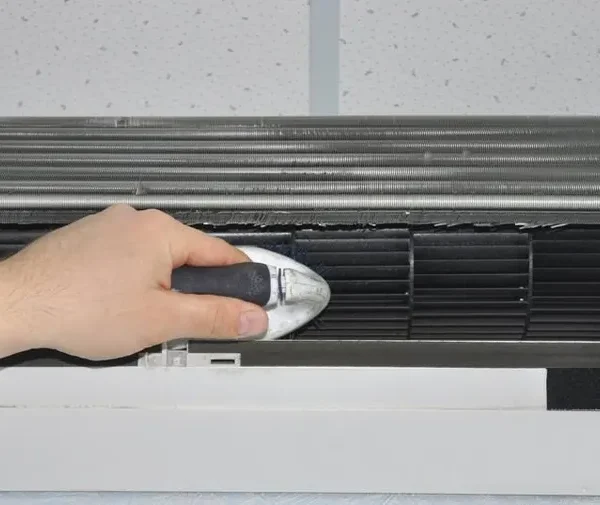
Clean AC Coils
You can handle light upkeep on the outdoor unit. Indoor AC coil cleaning and any chemical cleaning are best left to a licensed technician.
Safe DIY Steps for the Outdoor Unit
- Turn off power at the thermostat and the outdoor disconnect first.
- Clear leaves, grass and weeds, and keep at least two feet of open space around the unit.
- Rinse the coil gently with a garden hose from the top down. Do not use a pressure washer, which flattens fins.
- Point mowers and string trimmers away from the unit so clippings do not blow into the coil.
- Change your air filter every one to three months. A clean filter is the best way to keep the indoor coil clean.
When to Call a Professional
Call a pro if you see ice, smell mold, notice bent or corroded fins, or need the indoor coil cleaned. Harsh household cleaners can corrode aluminum coils, and getting water into the electrical components or air handler can cause expensive damage. A technician can also confirm whether the coils are really the issue before you pay for a cleaning.
How Often Should You Schedule AC Coil Cleaning?
ENERGY STAR and the Department of Energy both recommend annual professional maintenance that includes checking and cleaning the coils. In South Florida, use this AC coil cleaning schedule as a starting point:
- Most homes: inspect both coils once a year and clean them when buildup is visible or performance drops.
- Coastal homes within a few miles of the ocean: inspect every six months, since salt film builds quickly.
- Homes with pets, nearby construction or heavy landscaping: plan on cleaning more often.
- Every home: rinse the outdoor coil a few times a year and stay on schedule with filter changes.
When Coil Cleaning Is Not Enough
AC coil cleaning restores a coil that is dirty, but it cannot fix one that is damaged. If the coil has corroded through, leaks refrigerant or has fins that are crushed beyond repair, the coil or the system may need to be replaced. That is especially true for older units that still use R-22 refrigerant or are more than 12 to 15 years old.
If a technician finds that replacement makes more sense than another cleaning, a properly sized new system will cool better and cost less to run. Learn more about our Residential AC Installation in Lake Park, FL if your system is near the end of its life.
Frequently Asked Questions
How do I know if my AC coil needs cleaning?
Look for long run times, warmer air from the vents, higher bills, ice on the lines, musty smells or visible dirt on the outdoor fins. Two or more of these signs together usually call for an inspection and AC coil cleaning.
How long does AC coil cleaning take?
Cleaning both coils usually takes one to three hours. If the evaporator coil has to be removed for a deep cleaning, the job can take most of a day.
Will AC coil cleaning lower my energy bill?
It can. After AC coil cleaning, the coils transfer heat more efficiently, so the system runs shorter cycles. Savings depend on how dirty the coils were and how much you run your AC.
Can a dirty coil cause my AC to freeze?
Yes. A dirty evaporator coil restricts airflow, which can drop the coil temperature below freezing and cause ice to form. Turn the system off and call a technician if you see ice.
Is it safe to pressure wash my AC condenser?
No. High pressure bends the thin aluminum fins and reduces airflow. Use a garden hose at low pressure, or schedule a professional cleaning.
About Gregs Air Solution
Gregs Air Solution is a heating and air conditioning company serving Boca Raton, Lake Park and nearby Palm Beach County communities. The team handles AC coil cleaning, maintenance, repair and new system installation. [License number, years in business and technician certifications to be added.]
Get Your AC Cooling Like New Again
If your AC runs all day but your home never feels cool, dirty coils may be stealing its cooling power. A professional AC coil cleaning can bring back stronger airflow, better humidity control and lower bills, and it helps protect the compressor from extra strain.
Gregs Air Solution helps homeowners across Palm Beach County keep their systems running efficiently, whether you need a coil cleaning, a tune-up or AC Repair in Boca Raton, FL . Book an inspection today, and we will check both coils, show you what we find and recommend only the work your system needs.
Call : (954) 240-2540 or schedule your AC coil cleaning online today.