
Your AC is 14 years old, it runs all afternoon, and the July power bill made you wince. A new system is the obvious fix, but it is also one of the largest purchases most homeowners make, and the wrong choice stays with you for the next 15 years.
HVAC installation is the process of sizing, selecting and fitting a new heating and cooling system to your home, from the outdoor condenser to the ductwork and thermostat. Done well, it lowers your energy bills, controls humidity and runs quietly for years. Done poorly, even premium equipment short-cycles, sweats and breaks down early.
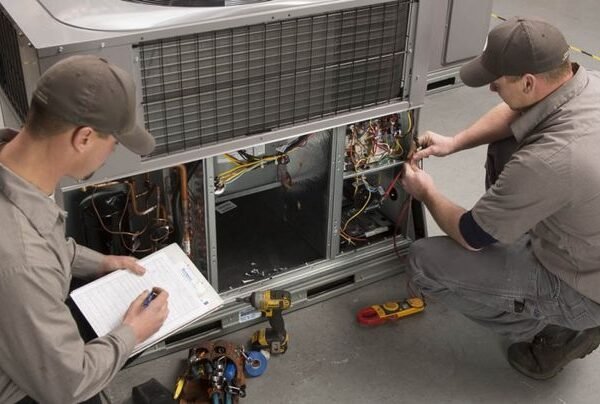
This guide covers the seven things South Florida homeowners should know before they sign a contract, including sizing, system types, efficiency ratings, the cost of HVAC installation, permits and what happens on install day.
The quick answer:
- Insist on a Manual J load calculation. Square footage alone is not enough to size a system.
- Every new system now uses a new refrigerant, so the indoor and outdoor units should be replaced as a matched pair.
- Most homes pay roughly $7,000 to $20,000 for a full system, with ductwork and electrical work as the biggest variables.
- A licensed Florida contractor should pull the permit and schedule the inspection for you.
1. Proper Sizing Comes First
Bigger is not better with air conditioning. A system that is too large cools the air fast, hits the thermostat setting and shuts off before it has pulled moisture out of the air. A system that is too small runs nonstop on the hottest days and still cannot keep up.
The right size comes from a load calculation, the industry standard being . It accounts for your home’s insulation, windows, sun exposure, ceiling height, air leaks and the number of people living there. A good contractor measures these, not just the size of your old unit.
Why Oversized Systems Struggle in South Florida Humidity
In Boca Raton, humidity is as big a comfort problem as heat. An oversized unit leaves the house cold and clammy, which can lead to musty smells, mold on vents and higher bills from frequent on-off cycles. A correctly sized or variable-speed system runs longer, gentler cycles that dry the air as well as cool it.
Ask every company that quotes your job one question: “Will you do a Manual J calculation for my home?” If the answer is a rule of thumb like “one ton per 500 square feet,” keep looking.
2. Choose the Right System Type for Your Home
Most Florida homes use a split system, with an outdoor condenser and an indoor air handler in a closet, garage or attic. Within that, you have several options.
| System | Best for | What to know |
| Central AC with air handler | Homes with good existing ductwork | Cools only. Heat comes from electric strips in the air handler. |
| Heat pump | Most South Florida homes | Cools and heats with one system. Very efficient in mild winters. |
| Ductless mini-split | Additions, garages, rooms with no ducts | Zoned control and high efficiency. No ductwork needed. |
| Packaged unit | Homes with no indoor space for an air handler | All components in one outdoor cabinet. |
Because winters here are mild, a heat pump is often the most practical choice for Boca Raton homes. It provides efficient cooling all summer and enough heat for the handful of cool nights each year, without a separate furnace. Our guide to Expert HVAC Installation explains how each option affects comfort and long-term costs.
3. Understand Efficiency Ratings and the New Refrigerants
Cooling efficiency is now measured in SEER2, a stricter test that better reflects real-world conditions than the older SEER rating. Under U.S. Department of Energy standards that took effect in 2023, most new split-system air conditioners sold in the Southeast must reach at least 14.3 SEER2 (13.8 SEER2 for larger units).
Higher ratings cost more upfront but use less electricity. In a climate where the AC runs most of the year, moving from an old 10 SEER unit to a modern 16 or 17 SEER2 system can noticeably cut your cooling costs. Ask your contractor to show the estimated yearly operating cost for each option, not just the price.
The Refrigerant Change: R-454B and R-32
Under the EPA’s Technology Transitions rule, new residential AC systems have moved away from R-410A to lower-impact refrigerants such as R-454B and R-32. For you, this means two things:
- New outdoor units generally cannot be paired with an old indoor coil designed for R-410A. Plan to replace the indoor and outdoor units together.
- Installers need training and tools for these mildly flammable (A2L) refrigerants. Ask whether the crew is certified to handle them.
4. The Cost of HVAC Installation and What Drives It
The cost of HVAC installation depends far more on your home than on the brand name. National 2026 estimates put a basic central AC and air handler or furnace replacement in an average 2,000 square foot home at about $7,000 to $20,000, with complex jobs reaching higher (CBS News).
| Cost factor | Why it matters |
| System size (tonnage) | Larger homes need more capacity and larger equipment. |
| Efficiency (SEER2) | Higher ratings cost more upfront and less to run. |
| System type | Variable-speed heat pumps cost more than single-stage AC units. |
| Ductwork | Repairs or new ducts can add several thousand dollars. |
| Electrical and access | Panel upgrades, attic installs or tight closets add labor. |
| Permits and code items | Permit fees, hurricane tie-downs and drain safety switches. |
Is There Still a Federal Tax Credit?
Not for most new systems. The federal 25C Energy Efficient Home Improvement Credit, which covered up to $2,000 for qualifying heat pumps, does not apply to equipment placed in service after December 31, 2025 .Ask your contractor about current manufacturer rebates, utility programs and financing instead.
How to Compare Quotes Fairly
- Confirm each quote is for the same tonnage, SEER2 rating and equipment model numbers.
- Check what is included: permit fees, new pad, line set, drain line, thermostat and haul-away of the old unit.
- Compare labor warranties, not only the manufacturer’s parts warranty.
- Be wary of a price far below the others. It usually means skipped steps.
5. Ductwork and Airflow Matter as Much as the Equipment
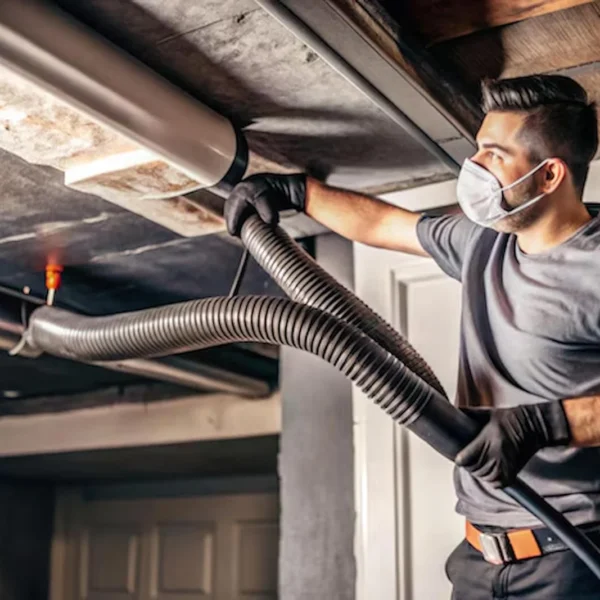
A new system is only as good as the ducts that carry its air. According to ENERGY STAR, a typical duct system loses 20 to 30 percent of the air moving through it to leaks, holes and poor connections. In Florida, most ducts run through hot attics, so every leak pulls in superheated, humid air.
Before HVAC system installation, ask your contractor to inspect the ducts and check static pressure. Common fixes include sealing joints with mastic, replacing crushed or torn flex duct, adding return air and correcting undersized runs. This is also the right time to upgrade filtration, add a UV light or install a dehumidifier.
6. Permits, Licensing and Florida Code
In Florida, replacing an air conditioner requires a mechanical permit, and the work must be done by a state-certified or registered HVAC contractor. You can verify any contractor’s license through the Florida DBPR.
The permit protects you. It means a local inspector checks the electrical connections, refrigerant lines, condensate drainage and the anchoring of the outdoor unit, which Florida’s building code requires to resist hurricane-force winds. Skipping the permit can cause problems with insurance claims and when you sell your home.
Questions to Ask Any Installer
- Are you licensed and insured in Florida, and will you pull the permit?
- Will you perform a Manual J load calculation?
- Are your technicians trained on A2L refrigerants?
- What labor warranty do you offer, and will you register the equipment warranty for me?
7. What Happens on HVAC Installation Day
Knowing the steps helps you prepare and spot shortcuts. A professional air conditioner installation usually follows this order:
- Prepare the site. The crew protects floors, shuts off power and recovers refrigerant from the old system.
- Remove the old equipment. The condenser, air handler or coil and old line set are disconnected and hauled away.
- Set the new units. The outdoor unit goes on a level pad with hurricane tie-downs, and the indoor unit is installed with a new drain pan and safety switch.
- Connect lines and wiring. Refrigerant lines are brazed, the electrical disconnect is checked and the new thermostat is wired.
- Pressure test and evacuate. The system is tested for leaks and vacuumed to remove moisture before refrigerant is released.
- Start up and commission. The technician checks refrigerant charge, airflow and temperature split, then shows you how to use the thermostat.
How Long Does Air Conditioner Installation Take?
A straightforward changeout is usually finished in one day. Jobs that add ductwork, move equipment or need electrical upgrades can take two to three days. The city inspection is scheduled separately, often within a week or two.
Protect Your Investment After Installation
Many manufacturers require you to register new equipment, often within 60 days, to get the full parts warranty. Change filters every one to three months, keep plants two feet from the outdoor unit and book a tune-up each year. Regular maintenance keeps the warranty valid and the system running efficiently.
Repair or Replace? Signs You Need a New System
In South Florida’s year-round heat, air conditioners usually last 10 to 15 years. Consider replacement if you notice several of these signs:
- Your system is more than 12 years old or still uses R-22 refrigerant.
- A single repair would cost more than a third of a new system.
- Some rooms are always warmer or more humid than others.
- Energy bills keep climbing even though your habits have not changed.
- The system needs repairs every season.
How to Choose an HVAC Installation Company in Boca Raton
The best installer is not always the one with the lowest price. Look for a company that measures your home, explains its recommendations in plain language, gives a written itemized quote and stands behind its work with a labor warranty. Local reviews and photos of recent jobs are a good sign.
Gregs Air Solution handles every step of HVAC system installation, from the load calculation and permit to final inspection. Learn more about our HVAC Installation Service in Boca Raton, FL and what is included with every new system.
Frequently Asked Questions
How much does HVAC installation cost in Boca Raton?
Most full system replacements fall between about $7,000 and $20,000. Price depends on tonnage, efficiency, system type, ductwork condition and electrical needs. An in-home visit is the only way to get an accurate number.
What size AC do I need for my home?
It depends on your home’s insulation, windows, layout and sun exposure, not just square footage. A Manual J load calculation gives the correct size.
Can I replace just the outdoor unit?
Usually not. New systems use different refrigerants than older R-410A and R-22 equipment, so the indoor and outdoor units should be replaced as a matched pair for efficiency and warranty coverage.
Is a heat pump a good choice in South Florida?
Yes, for most homes. A heat pump cools as efficiently as a standard AC and handles our mild winters without a separate furnace.
Do I need a permit for a new air conditioner in Florida?
Yes. Air conditioner installation in Florida needs a mechanical permit. A licensed contractor should pull it, and a local inspector checks the finished work.
How long does a new HVAC system last?
With yearly maintenance, most systems in South Florida last 10 to 15 years. Coastal salt air, dirty filters and skipped tune-ups can shorten that.
About Gregs Air Solution
Gregs Air Solution is a heating and air conditioning company serving Boca Raton and nearby South Florida communities. The team handles HVAC installation, AC replacement, repair and maintenance for homeowners who want reliable comfort through the long cooling season. [Add years in business, license number and any brand certifications here.]
Get Your New HVAC System Installed Right the First Time
A new system should keep your home cool, dry and affordable to run for the next 15 years. That starts with proper sizing, the right equipment and a careful, permitted installation.
Homeowners across Palm Beach County trust Gregs Air Solution for AC Installation in Boca Raton, FL. Request a free in-home estimate today, and we will measure your home, compare options with you and give you a clear written quote.