
Estate homes run bigger, more complex systems than standard houses, which is why duct cleaning deserves a place on your maintenance list. Multiple air handlers, long duct runs and dozens of registers collect more dust and debris.
Here are seven reasons Expert AC Duct Cleaning in Cooper City can protect your system, your finishes and your indoor air.
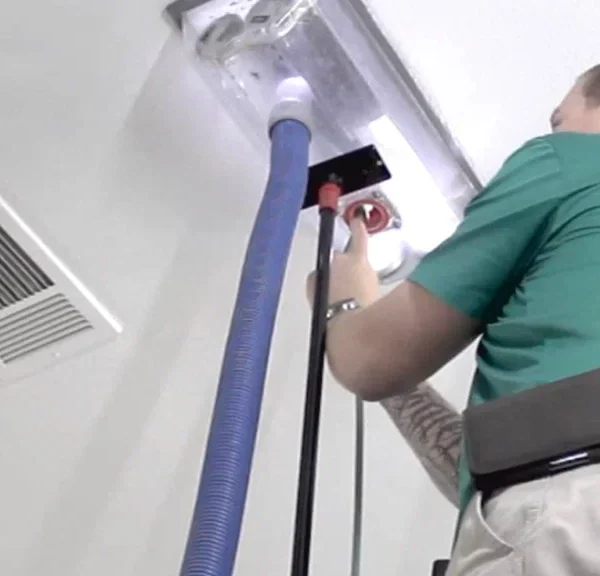
Benefits Of An Air Duct Cleaning
Cleaner Air
Home duct cleaning removes dust, pet dander and allergens that filters cannot fully trap. Left alone, ducts can keep circulating those particles through the property.
Better Efficiency
Clogged ducts also make your HVAC system work harder, which can raise energy use and wear. A whole-system clean of the coil, blower and vents can support better efficiency.
Clean Only When Needed
The EPA recommends cleaning on an as-needed basis. Let visible dust, mold or pests guide the decision, not a fixed calendar.
Air Duct Cleaning Process
A proper HVAC duct cleaning follows a set method:
- Technicians connect a HEPA-filtered vacuum to create negative pressure.
- Then they use agitation tools to loosen debris from each run.
- A compressed air flush pushes the remaining dust toward the vacuum.
- The crew also cleans the evaporator coil, blower and registers.
The EPA warns that skipping a component can recontaminate the whole system.
Choose a provider like Expert AC Repair in Boca Raton, FL that follows NADCA standards and works every run individually.
Air Duct Inspection
A duct inspection confirms whether cleaning is needed at all. The technician opens access ports and looks for visible mold, pests or heavy debris. Remote photography can document what is inside.
The EPA also advises checking for asbestos-containing materials before any work begins.
In an estate, the inspection counts the systems and registers, so your written estimate reflects the real scope.
The Newly Built Estate Is A Special Case
Why New Homes Need It
A brand new estate is one of the clearest cases for a first duct cleaning service. Ductwork often sits open while drywall is cut, sanded and swept.
What Settles Inside
Fine drywall dust, sawdust and insulation fibre settle into runs and plenums. When the system first runs at full load, that material can move into living areas. A major renovation creates the same risk.
How To Prevent It
The EPA suggests sealing registers during dusty work and holding off on running the system until cleanup is done.
Multi-Zone Means Multiple Systems, Not One Big One
Large estates usually run two or three separate systems. Each has its own air handler, plenum, evaporator coil, blower and duct network.
Cleaning one zone does not deliver two thirds of the result. Shared spaces and return paths are served by more than one system, so an untouched zone keeps feeding dust into areas you just cleaned.
Plan the work per zone, and have every air handler and coil cleaned in the same visit.
Long Runs Behave Differently
Why Distance Matters
Distance costs static pressure. A run that travels sixty feet through a hot attic arrives with less airflow than one beside the air handler.
When Cleaning Is Not the Fix
Debris, a kinked flex duct or a sagging section makes the far wing the first to stop cooling. Cleaning can help, but sometimes the cause is an undersized return or a disconnected run that needs sealing and repair.
A duct inspection tells you which problem you have. The EPA also notes that sealed, insulated attic ducts limit moisture.
Forty Registers, Every One On A Ladder
A standard house has fifteen to twenty registers. An estate often has forty or more. Many sit in coffered ceilings, above staircases or in a twenty-foot entry.
Each register still needs five to ten minutes of individual agitation. That is why estate jobs take a full day instead of an afternoon.
Setting and moving a ladder forty times takes real time. A quote at standard house pricing usually means something gets skipped.
Protecting The House Is Part Of The Job
On a high-end home, protection is part of the work. Entry doors get sheeted in plastic before equipment comes inside. Floors are covered along every path a hose or ladder will travel.
Register covers are marked for position, so each grille goes back exactly as it came out. That matters when it is visible from a formal room.
Travertine and plaster columns do not forgive a careless crew. The EPA also expects providers to protect carpet and furnishings during cleaning.
Common Questions
How long does it take?
A standard house takes three to five hours. An estate with multiple air handlers and forty-plus registers usually takes a full day.
Is it worth it on a new luxury build?
Often yes, because of construction debris.
Should I look for NADCA certification?
Yes. It shows trained technicians following industry standards.
Can I clean the ducts myself?
Stanley Steemer advises against it. Entering ductwork can harm you and your HVAC system.
Contact Our HVAC Service Team to Book an Air Duct Cleaning
Choose a duct cleaning service that walks the property, counts the systems and registers, and quotes the real scope on site. Ask for a written estimate, proof of licensing and NADCA-aligned methods.
The EPA suggests comparing three providers and asking to see any contamination they claim exists.
Contact our HVAC service team to schedule a duct inspection, and plan the visit around your household and staff schedule.