
A comfortable home can feel like a quiet gift. Cool air eases a hot afternoon, while warm air makes winter mornings easier. Behind that comfort sits a system that manages temperature, airflow, and indoor air quality. HVAC systems combine heating, ventilation, and air conditioning to create a more comfortable indoor space. For beginners, HVAC can seem confusing at first. Yet the basic ideas are simple once each part has a clear purpose. Along the way, it explains common HVAC parts, energy use, maintenance, installation, and indoor air quality. The goal is simple: make HVAC easier to understand and help readers make informed choices about comfort, safety, and energy use.
1. What Does HVAC Mean?
HVAC stands for heating, ventilation, and air conditioning. Each part has a different job, but they work toward one goal: indoor comfort. Heating raises indoor temperatures during cold weather. Air conditioning lowers temperatures when the weather becomes warm. Ventilation moves fresh air through indoor spaces and helps control stale air.
Modern HVAC Systems can also help manage humidity. High humidity can make a room feel warmer than it really is. Low humidity can make the air feel dry and uncomfortable. Therefore, proper temperature and moisture control can improve comfort.
2. How HVAC Systems Move Heat and Air
How HVAC systems work becomes easier to understand through one simple idea: heat moves. Air conditioning removes heat from indoor air and sends that heat outside. Heating equipment does the opposite by adding warmth to indoor air.
A typical cooling cycle begins when the thermostat senses rising indoor temperatures. The system then starts the cooling equipment. Refrigerants carry heat away from indoor air. The outdoor unit releases that heat into the outside air. Meanwhile, the indoor blower moves cooled air through the ductwork.
3. Meet the Main HVAC Components
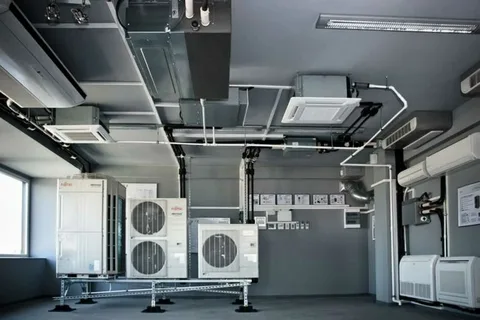
Every HVAC systems setup contains several important parts. The thermostat acts like the system’s control center. It measures indoor temperature and signals the equipment when heating or cooling should begin.
The furnace or heat pump handles heating. The air conditioner or heat pump handles cooling. Meanwhile, the blower pushes conditioned air through the home. Ducts carry that air between equipment and rooms.
The outdoor unit releases heat during cooling. It often contains a compressor and fan. Refrigerant travels through connected components during the cooling process. Together, these parts create a complete comfort system.
4. Why Ventilation and Indoor Air Matter
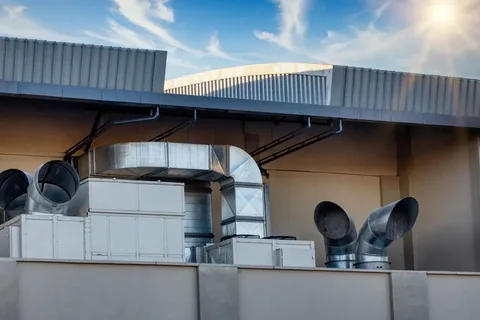
Heating and cooling get most of the attention, but ventilation also matters. Indoor spaces collect moisture, odors, dust, and other airborne particles. Fresh air can help reduce these indoor pollutants.
Natural ventilation comes from windows, doors, and building openings. Mechanical ventilation uses fans and equipment to bring outdoor air inside. Modern buildings often need planned ventilation because tight construction can reduce natural airflow. Therefore, information about HVAC should include more than temperature control. A complete view considers airflow, moisture, cleanliness, and fresh air.
5. HVAC Energy Use and Efficiency
Energy use depends on several factors. Equipment size, outdoor weather, insulation, duct condition, thermostat settings, and operating time can all affect energy consumption.
An oversized system may cool a home quickly, but that does not always mean better performance. Short operating cycles can reduce effective humidity control. An undersized system may run for long periods during extreme weather.
Simple habits can support efficient operation. Keeping vents open allows air to move through the intended spaces. Sealing obvious duct leaks can reduce wasted conditioned air. Regular filter changes can also support steady airflow.
6. The Value of Regular HVAC Care
Routine care helps equipment operate safely and reliably. Dust can collect on filters, coils, fans, and other components. Over time, restricted airflow can place extra strain on equipment.
A clean filter supports airflow and helps capture airborne particles. However, filter needs vary by home and equipment. Manufacturer guidance provides a useful starting point.
Professional inspections can also identify issues that may not be obvious. Technicians can examine electrical connections, refrigerant systems, airflow, controls, and other components.
For example, HVAC Maintenance Service in Boca Raton, FL may involve seasonal inspections suited to the local climate. The same principle applies elsewhere, although local weather can change maintenance needs.
7. Installation, Repairs, and Learning the Basics
New equipment needs the right size, proper placement, and correct connections. Therefore, HVAC Installation Service involves more than putting a new unit in place.
For people interested in the field, How to Learn HVAC starts with basic concepts. Heating, cooling, electricity, airflow, refrigeration, and safety provide useful foundations. Learning the basics does not replace professional training. Instead, it creates better understanding and helps homeowners communicate clearly about comfort concerns.
8. What Good HVAC Knowledge Gives Homeowners
Basic HVAC knowledge can turn confusion into confidence. It helps homeowners understand why rooms feel uneven, why filters matter, and why energy bills change. Local conditions also shape HVAC needs. For example, HVAC Services in Coconut Creek, FL may address cooling demands created by a warm, humid climate.
Most importantly, understanding HVAC Systems helps homeowners notice changes early. Strange sounds, unusual smells, weak airflow, repeated cycling, or sudden comfort changes deserve attention.
Comfort Starts With Understanding
HVAC technology may seem complex, but its purpose remains beautifully simple: control heat, move air, and support a comfortable indoor environment. Understanding the major components creates a stronger foundation for smart decisions. It also helps homeowners recognize the value of airflow, ventilation, maintenance, and proper installation. Businesses such as Greg’s Air Solutions LLC operate within an industry where clear knowledge and dependable technical work matter. As seasons change, a better understanding of heating and cooling can turn everyday comfort into something easier to manage, understand, and appreciate.
FAQs
1. What does HVAC stand for?
HVAC means heating, ventilation, and air conditioning. These three functions work together to manage indoor temperature, airflow, and air quality.
2. How often should an HVAC filter be changed?
Filter needs depend on the filter type, household conditions, equipment, and indoor air concerns. A dusty home or home with pets may need more frequent changes.
3. Why does one room feel warmer than another?
Uneven temperatures can have several causes. Blocked vents, duct problems, insulation gaps, thermostat location, sunlight, and equipment performance can all play a role.
4. Does HVAC equipment affect energy bills?
Yes. Equipment efficiency, system size, operating time, outdoor temperature, insulation, duct condition, and airflow can affect energy use. Older or poorly maintained equipment may also operate less efficiently.
5. Is professional HVAC maintenance necessary?
Professional maintenance can help identify developing problems and check important system components. It can also support safe operation and steady performance.