
Your thermostat says 76, but the house feels like 80. The AC runs most of the afternoon, and the power bill keeps creeping up even though nothing about your routine has changed. In most South Florida homes, that pattern points to the same cause: a system that has not had care in a while.
Regular HVAC maintenance is the simplest way to stop paying for wasted energy. A clean, tuned system moves more air, removes more humidity and reaches the set temperature faster, so it runs fewer hours and costs less to operate. It also breaks down less often and lasts longer.
This guide explains how HVAC maintenance improves efficiency, what a professional tune-up includes, a simple HVAC maintenance schedule for Boca Raton homes, a printable checklist, and why fall is a smart time to book service.

The quick answer:
- Heating and cooling make up the largest share of energy use in a typical U.S. home, so small efficiency losses show up on every bill.
- Replacing a dirty filter alone can lower an air conditioner’s energy use by 5 to 15 percent, according to the U.S. Department of Energy.
- In South Florida, plan on professional HVAC maintenance twice a year because the AC runs almost year-round.
- Dirty coils, low refrigerant and leaky ducts are the biggest hidden causes of high energy bills.
Why HVAC Maintenance Matters for Energy Efficiency
An air conditioner is rated for a certain efficiency when it leaves the factory. That rating assumes clean coils, the correct refrigerant charge, free airflow and tight electrical connections. Over time, dust, pollen, salt air and normal wear chip away at every one of those conditions.
The system does not stop working. It simply works harder and longer to deliver the same comfort. That extra runtime is what you pay for. The U.S. Department of Energy notes that neglecting basic care leads to a steady decline in performance while energy use climbs.
How a Neglected System Wastes Energy
| Problem | What it does to efficiency |
| Dirty air filter | Restricts airflow, so the blower runs longer and the coil can freeze |
| Dirty evaporator coil | Cannot absorb heat well, so cooling cycles stretch out |
| Dirty condenser coil | Cannot release heat outside, which raises pressure and power draw |
| Low refrigerant from a leak | Reduces cooling capacity and strains the compressor |
| Clogged condensate drain | Raises humidity indoors and can shut the system off or cause water damage |
| Loose or worn electrical parts | Causes hard starts, higher amp draw and early motor or compressor failure |
| Leaky ductwork | Sends cooled air into the attic instead of your rooms |
Why Humidity Makes Maintenance More Important in Boca Raton
In South Florida, your AC has two jobs: cooling the air and pulling moisture out of it. A dirty coil or poor airflow cuts dehumidification first. The house feels clammy, so you lower the thermostat, and the system runs even longer. Regular HVAC maintenance keeps the coil clean and airflow correct, so you stay comfortable at a higher, cheaper setting.
How Regular HVAC Maintenance Lowers Your Energy Bills
Maintenance does not change your electric rate, but it reduces how many kilowatt-hours your system needs to keep you comfortable. Here is where the savings come from.
- Better airflow. Clean filters and blower parts let the system move the air it was designed to move, which shortens each cooling cycle.
- Efficient heat transfer. Clean coils absorb and release heat the way they should, so the compressor does less work.
- Correct refrigerant charge. A properly charged system delivers its full rated capacity instead of running nonstop.
- Fewer wasted cycles. A calibrated thermostat and tight connections prevent short cycling and hard starts that spike power use.
- Less duct loss. ENERGY STAR estimates that a typical duct system loses 20 to 30 percent of the air moving through it. Finding and sealing leaks during a visit keeps paid-for cooling inside the home.
Lower Repair Costs and a Longer System Life
Energy savings are only part of the return. Most expensive AC repairs, like a failed compressor or burned-out fan motor, start as small problems a technician can spot early: a weak capacitor, a worn contactor, or a refrigerant leak. Catching them during a routine visit costs far less than an emergency call on a July weekend. Systems that get consistent HVAC maintenance also tend to reach the long end of their 10 to 15 year lifespan in our climate.
What Professional HVAC Maintenance Includes
A real tune-up is more than a quick look and a filter swap. A thorough visit from a licensed technician should include:
- Inspect and replace or clean the air filter.
- Clean the outdoor condenser coil and clear debris around the unit.
- Inspect the indoor evaporator coil and clean it if needed.
- Check refrigerant pressures and look for signs of leaks.
- Flush the condensate drain line and test the float or safety switch.
- Test capacitors, contactors and motors, and tighten electrical connections.
- Measure temperature split and airflow to confirm the system is cooling correctly.
- Calibrate the thermostat and test heating mode on heat pumps or heat strips.
- Inspect visible ductwork and the air handler cabinet for leaks or mold.
- Share a written report with findings and any recommended repairs.
Our HVAC Maintenance Service covers each of these steps, so you know exactly what was checked and what condition your system is in.
How Much Does an HVAC Tune-Up Cost?
A single professional tune-up typically costs about $75 to $200, depending on the system type and how much cleaning it needs. Many homeowners choose an annual maintenance plan, which bundles two visits a year and often adds priority scheduling and repair discounts. Compared with the cost of a compressor replacement, or months of inflated bills, routine care usually pays for itself.
HVAC Maintenance Schedule for South Florida Homes
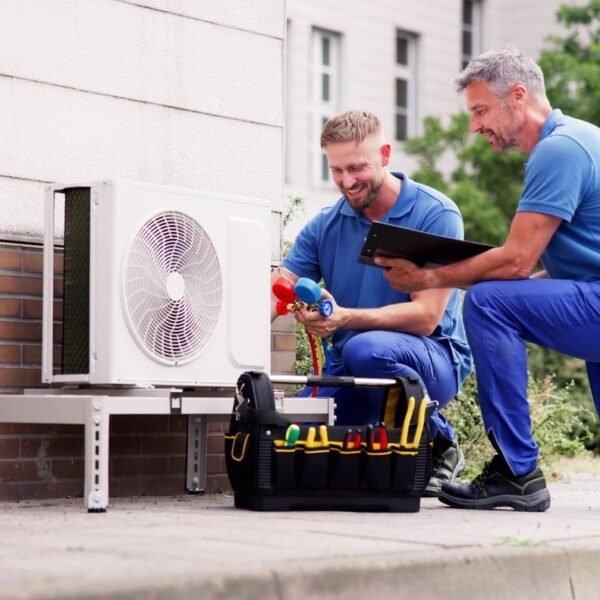
Most guides recommend one tune-up a year. That works in cooler climates, but Boca Raton air conditioners can run 10 or more months a year. A practical HVAC maintenance schedule here looks like this:
| Task | How often | Who |
| Check and replace the air filter | Every 1 to 3 months | Homeowner |
| Clear leaves and debris from the outdoor unit | Monthly | Homeowner |
| Pour vinegar or a drain treatment into the condensate line | Every 1 to 3 months | Homeowner |
| Check vents and returns for blockages | Monthly | Homeowner |
| Professional tune-up before peak cooling season | Spring (March to May) | HVAC technician |
| Professional tune-up after peak cooling season | Fall (October to November) | HVAC technician |
| Duct inspection and sealing check | Every 2 to 3 years | HVAC technician |
| Indoor coil deep cleaning | As needed, often every 1 to 2 years | HVAC technician |
If your home has pets, a lot of foot traffic, ongoing renovation dust, or sits close to the ocean, lean toward the shorter end of each range.
AC Filter Maintenance: The Easiest Way to Save Energy
Of everything on this list, AC filter maintenance is the step you can control most easily, and it has a direct effect on your bill. The Department of Energy estimates that replacing a dirty, clogged filter with a clean one can lower an air conditioner’s energy consumption by 5 to 15 percent.
How Often Should You Change Your AC Filter?
- Standard 1-inch filters: every 30 to 60 days during heavy cooling months.
- Homes with pets or allergies: every 30 days.
- 4- to 5-inch media filters: every 6 to 12 months, or as the manufacturer recommends.
- Washable filters: rinse monthly and let dry completely before reinstalling.
Choosing the Right Filter
Check the size printed on the side of your current filter and match it exactly. For most homes, a MERV 8 to MERV 11 filter balances air quality and airflow. Very high MERV filters can restrict airflow on systems not designed for them, which defeats the purpose. If you are unsure, ask your technician at your next visit.
Your HVAC Maintenance Checklist
Use this HVAC maintenance checklist to stay on top of the basics between professional visits. Print it and keep it near your air handler.
Monthly Homeowner Checks
- Look at the air filter and replace it if it looks gray or dusty.
- Keep at least two feet of clear space around the outdoor unit.
- Make sure supply vents and return grilles are open and not blocked by furniture.
- Listen for new noises such as buzzing, grinding or rattling.
- Check that water is draining from the condensate line outside.
Signs to Call a Technician
- The system runs constantly but the house will not reach the set temperature.
- Ice on the refrigerant lines or indoor coil.
- Water around the air handler or a tripped float switch.
- Warm air from the vents, or some rooms much warmer than others.
- Energy bills higher than the same month last year with no change in use.
What Not to Do Yourself
Homeowners should leave refrigerant, electrical components and coil chemical cleaning to a licensed professional. Some well-meaning DIY habits, like closing vents in unused rooms or hosing the condenser at high pressure, can actually raise energy use or damage the unit. Read our guide to common HVAC Maintenance Mistakes to see what to avoid.
Why Fall HVAC Maintenance Matters in Florida
In much of the country, fall HVAC maintenance means getting the furnace ready for winter. In South Florida, it is about recovery. Your AC just finished its hardest stretch of the year, months of heat, humidity, storms and long runtimes.
What Fall HVAC Maintenance Covers
- Post-summer cleaning. Coils and drains collect the most dirt and biological growth during peak season.
- Storm checks. Hurricane season runs through November 30. A technician can check the outdoor unit for debris damage, loose tie-downs and electrical issues after summer storms.
- Heat mode testing. Heat pumps and electric heat strips sit unused most of the year. Testing them now avoids a burning-dust smell or a surprise failure on the first cool morning.
- Planning ahead. Finding a weak part in November gives you time to fix it before spring, instead of during a heat wave when service schedules are full.
A tune-up in the fall and another in spring keeps your system efficient through both the long cooling season and our short winter.
When Maintenance Is Not Enough: Repair or Replace?
HVAC maintenance can restore lost efficiency, but it cannot make a 15-year-old system perform like a new one. If your system needs frequent repairs, still uses R-22 refrigerant, or your bills stay high after a full tune-up, replacement may save more over time. Modern high-SEER2 systems use significantly less electricity than units installed a decade or more ago. When it is time to upgrade, our team provides expert AC Installation in Boca Raton, FL with proper load calculations and permits.
Frequently Asked Questions
How often do I need HVAC maintenance in Florida?
The best HVAC maintenance schedule for most South Florida homes is twice a year, once in spring and once in fall. Because the AC runs most of the year, a single annual visit often leaves too long a gap.
Does HVAC maintenance really lower energy bills?
Yes. Clean filters, clean coils, the correct refrigerant charge and good airflow all reduce how long the system runs to keep you comfortable. A dirty filter alone can raise AC energy use by 5 to 15 percent.
What is included in an HVAC maintenance checklist?
A professional checklist covers the filter, indoor and outdoor coils, refrigerant pressures, condensate drain, electrical parts, thermostat calibration, airflow and a visual duct inspection.
How often should I do AC filter maintenance?
Check the filter monthly. Replace standard 1-inch filters every 30 to 60 days in the cooling season, and every 30 days if you have pets or allergies.
Is fall HVAC maintenance necessary if I live in Boca Raton?
Yes. Fall HVAC maintenance cleans out the dirt and growth from summer, checks for storm damage and tests heat mode before the cooler months.
Can I do HVAC maintenance myself?
You can handle filter changes, clearing debris and checking drains. Refrigerant work, electrical testing and coil cleaning should be done by a licensed HVAC technician.
About Gregs Air Solution
Gregs Air Solution is a heating and air conditioning company serving Boca Raton and nearby South Florida communities. Our licensed technicians handle HVAC maintenance, AC repair, coil cleaning and new system installation, with clear pricing and written reports after every visit.
Schedule Your HVAC Maintenance and Start Saving
Every month your system runs dirty or out of tune, you pay for it on your power bill. Professional HVAC maintenance restores lost efficiency, catches small problems early and keeps your home cool and dry through the South Florida heat.
Use the HVAC maintenance checklist above between visits, and let our team handle the rest. Book your fall tune-up with Gregs Air Solution today and start the new year with a system that runs efficiently.