
Table of Contents
Step 1: Evaluate Your Existing Air Conditioning System
Step 2: Gather Tools and Materials for Installation
Step 3: Prepare the Indoor and Outdoor Installation Sites
Step 4: Install the Indoor Air Handler
Step 5: Position and Set Up the Outdoor Condenser Unit
Step 6: Connect and Test Electrical and Refrigerant Lines
Many homeowners assume that replacing an AC is as simple as swapping out the old unit. In reality, the difference begins long before installation, starting with a detailed evaluation of your current system and some often-overlooked checks that Greg’s Air Solutions professionals recommend.
Installing new air conditioner systems in your home is more than just replacing an old unit; it’s about ensuring comfort, energy efficiency, and long-term performance.
At Greg’s Air Solutions, we specialize in installing air conditioning systems in residential buildings and offer professional advice throughout the process.
Upgrading to high-efficiency air conditioners in your home or incorporating smart home AC systems, our Delray Beach team will make sure your home is becoming so cool all year round.
Step 1: Evaluate Your Existing Air Conditioning System
Before investing in new air conditioner systems, a thorough evaluation of your existing setup is essential. Many homeowners don’t realize that older systems, especially those over ten years old, can silently raise energy bills, struggle with inconsistent cooling, and cause humidity problems.
At Greg’s Air Solutions, our team begins with a detailed assessment of your home. We inspect your current central air conditioner systems, measure your living space, and calculate the appropriate BTU requirements for optimal cooling. This step ensures that the new system, whether a ductless mini-split air conditioner or a traditional HVAC system, is perfectly suited to your home.
Key signs it may be time for an upgrade include fluctuating indoor temperatures, rising energy costs, frequent repair needs, and unusual noises or odors from your existing unit. By documenting these factors, we help you choose the most effective home cooling systems tailored to your lifestyle.
Step 2: Gather Tools and Materials for Installation
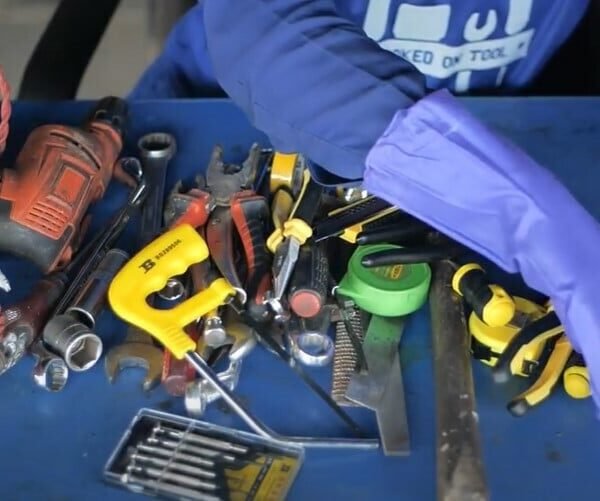
To carry out a professional installation of the HVAC system, it is necessary to prepare the appropriate tools and elements. We make sure that all the installations done at Greg’s Air Solutions are accurate and efficient to the point of using industry-grade equipment. We have a full range of tools such as manifold gauges, vacuum pumps, copper pipe cutters, safety equipment, and fine instruments to deal with even advanced new AC unit applications.
In addition to the tools, refrigerant lines, insulation sleeves, mounting brackets, and electrical connectors are of high quality. All the parts are checked to fit your selected energy-saving AC system, either in residential air conditioning installation or commercial new air conditioner systems. This reduces erroneous mistakes, improves safety, and ensures the system’s performance over the long run.
Step 3: Prepare the Indoor and Outdoor Installation Sites
The installation of new air conditioner systems depends on the location setting of the indoor and outdoor units to be effective and long-lasting. We have professionals in Greg’s air solutions who highly consider the indoor and outdoor sites of installations.
Home cooling systems and smart home AC systems are designed as indoor units that can optimize airflow and also be easily accessible in terms of maintenance. The outdoor central air conditioners are installed on flat surfaces that have sufficient space between the plants (shrubs), walls, and trash. The correct preparation of a site will guarantee the free flow of air, inhibit possible water damage, and enhance efficiency.
Step 4: Install the Indoor Air Handler
The indoor air handler is the heart of your residential air conditioning installation. At Greg’s Air Solutions, we mount indoor units at optimal heights to distribute air evenly across your living space. Correct placement improves energy efficiency and ensures consistent indoor temperatures.
We also carefully connect electrical components and refrigerant lines, ensuring a leak-free setup. Precision during this stage guarantees that your indoor cooling solutions perform flawlessly from day one.
Step 5: Position and Set Up the Outdoor Condenser Unit
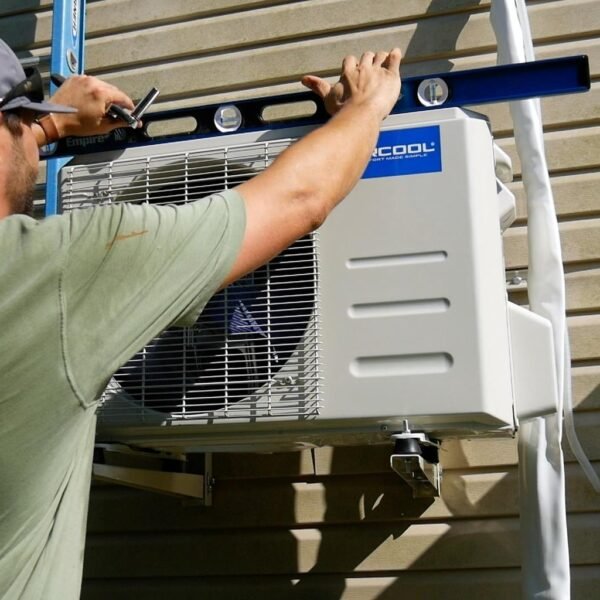
The strength of your new air conditioner system is the outdoor condenser. It is our team that makes sure that the unit is well placed to shield it against sunlight, debris, and extreme weather without compromising the air flow. The Air Solutions installed at Greg ensure stability and reduce noise by Greg, which places the units on high, vibration-absorbing pads.
We also deal with the installation of refrigerant lines and electrical equipment, which is in line with the local codes. This consideration ensures that the upgrade of the air conditioning system is reliable and efficient in terms of energy consumption, and is also tailored to the requirements of your home.
Step 6: Connect and Test Electrical and Refrigerant Lines
Connecting electrical and refrigerant lines is the most technical phase of installing new air conditioner systems. At Greg’s Air Solutions, we ensure all connections are precise, leak-free, and compliant with safety standards. Our process includes vacuuming, pressure testing, and confirming refrigerant levels for peak efficiency.
Proper connections are critical for the longevity and performance of high-efficiency air conditioners, whether in a residential or commercial setting. Our team meticulously tests every component, delivering consistent cooling and reliability.
Energy-Efficient and Modern Air Conditioning Solutions
Choosing energy-efficient AC units not only reduces energy bills but also supports environmental sustainability. At Greg’s Air Solutions, we provide modern new air conditioner systems solutions, including smart home AC systems, ductless mini-split air conditioners, and high-efficiency. Each installation is tailored to your home’s layout and cooling requirements.
We also offer air conditioning system upgrades for older units, helping homeowners in Delray Beach, FL, enjoy improved comfort and efficiency without a full system replacement.
Indoor and Outdoor Cooling Excellence
Our home cooling systems and residential air conditioning installation services focus on providing reliable, quiet, and effective cooling for every room. We ensure that every AC replacement service or new installation aligns with your lifestyle and energy goals.
From ductless mini-split air conditioners to traditional central air conditioner systems, Greg’s Air Solutions is your trusted partner for all air conditioning repair and installation needs in Delray Beach, FL.
Why Choose Greg’s Air Solutions?
With hands-on experience, Greg’s Air Solutions specializes in professional installation, repair, and maintenance of new air conditioner systems.
Our services include:
- Residential air conditioning installation
- Commercial air conditioning systems
- High-efficiency air conditioners
- Smart home AC systems
- New AC unit setup and upgrades
We combine expert craftsmanship with top-quality materials to provide long-lasting, energy-efficient cooling solutions for homes and businesses across Florida.
FAQs
What factors should I consider before installing a new air conditioning system?
Evaluate your current system’s performance, age, and energy usage. Correct sizing based on your home’s square footage and climate is essential for optimal comfort.
How do I prepare for air conditioner installation?
Gather tools like vacuum pumps, manifold gauges, and safety equipment, along with compatible materials such as refrigerant lines, insulation sleeves, and mounting brackets.
Why is correct indoor and outdoor unit placement important?
Proper placement ensures consistent airflow, improves energy efficiency, and allows easier maintenance. Outdoor units require clearance from debris and vegetation to maintain longevity.
How are electrical and refrigerant lines connected safely?
Professional technicians ensure circuits meet power requirements, perform leak-free refrigerant line connections, and conduct vacuum and pressure tests for safety and efficiency.