
If your AC runs from March to November and the power bill climbs every summer, the system you choose next matters more than almost any other upgrade in your home. An energy efficient HVAC installation can cut cooling costs for years, keep humidity under control and make the house quieter and more comfortable.
The catch is that efficiency is not just a number on a sticker. The right equipment, the right size and a careful installation all have to line up. A high-rated system that is oversized or installed on leaky ducts can perform no better than the unit it replaced.
This guide explains how an HVAC system works, what the efficiency ratings mean, which systems give the most efficient cooling in a South Florida climate, what they cost and how to make sure the installation delivers the savings you are paying for.
The quick answer:
- Heating and cooling are the largest share of energy use in a typical U.S. home, and in Florida most of that is air conditioning.
- Look for at least 15.2 SEER2 (the ENERGY STAR level) and, for most Boca Raton homes, 16 to 18 SEER2 with a two-stage or variable-speed compressor.
- A heat pump is usually the most cost effective HVAC system for South Florida because it cools efficiently and handles the few cool nights without electric heat strips.
- Correct sizing with a Manual J load calculation and sealed ductwork matter as much as the rating on the box.
How Does an HVAC System Work?
Before you compare models, it helps to know how does an HVAC system work in the first place. An air conditioner does not create cold air. It moves heat from inside your home to the outdoors using refrigerant that circulates in a closed loop.
- Evaporator coil (indoor). Warm air from your rooms blows across a cold coil. The refrigerant absorbs the heat, and moisture in the air condenses on the coil and drains away.
- Compressor (outdoor). The compressor pressurizes the refrigerant, which raises its temperature so it can release heat outside.
- Condenser coil and fan (outdoor). The hot refrigerant gives off its heat to the outdoor air, then flows back inside to repeat the cycle.
- Blower and ductwork. The indoor blower pushes cooled, drier air through the supply ducts to each room and pulls air back through the return.
- Thermostat. The thermostat tells the system when to run and, on newer systems, how hard to run.
A heat pump uses the same parts but can reverse the flow of refrigerant, so it can also move heat into the house on a chilly night. Every one of these steps uses electricity, which is why each component, and how well they work together, affects your energy bill.
What Makes an HVAC System Energy Efficient?
Efficiency is about how much heating or cooling you get for each kilowatt-hour you pay for. Since 2023, the U.S. Department of Energy has used updated ratings that reflect real-world conditions more closely, so you will now see a “2” after each one.
SEER2, EER2 and HSPF2 Explained
| Rating | What it measures | What to look for in Boca Raton |
| SEER2 | Seasonal cooling efficiency across a typical cooling season | 14.3 is the legal minimum in the Southeast. 15.2+ meets ENERGY STAR. 16 to 18 is the sweet spot for most homes. |
| EER2 | Cooling efficiency at a hot 95°F outdoor temperature | Higher is better for long, hot Florida afternoons. ENERGY STAR split systems need about 12 EER2 or more. |
| HSPF2 | Heat pump heating efficiency | 7.5 is the federal minimum. Less important here because heating needs are small. |
Higher numbers always mean less electricity for the same comfort, but the gains shrink as you climb. Going from 14.3 to 17 SEER2 saves more per dollar than going from 20 to 23 SEER2.
Why Humidity Control Counts as Efficiency in Florida
In South Florida, a system that cools the air but leaves it damp forces you to lower the thermostat to feel comfortable, and every degree costs money. Systems with variable-speed compressors and blowers run longer at low speed, which pulls more moisture from the air. Many homeowners find they can set the thermostat two or three degrees higher and feel just as comfortable.
Energy Efficient HVAC Equipment: What to Look For
The efficiency rating is the result of the parts inside the system. When you compare quotes, these features separate truly energy efficient HVAC equipment from basic models.
- Variable-speed (inverter) compressor. Adjusts output in small steps to match the load instead of switching fully on and off. This is the biggest single driver of high SEER2 ratings and steady comfort.
- Two-stage compressor. A middle option with a low and a high setting. It runs on low most of the time and costs less than full variable speed.
- ECM variable-speed blower. Uses far less power than older fixed-speed motors and helps with dehumidification.
- Matched indoor coil and air handler. The outdoor unit only reaches its rated efficiency when paired with the indoor coil it was tested with. Check the AHRI certificate number on your quote.
- Smart or communicating thermostat. Lets you set schedules and, with communicating systems, fine-tunes compressor and fan speed.
- Low-GWP refrigerant. New systems installed in 2026 use R-454B or R-32 under the EPA Technology Transitions rule. They are designed for better efficiency and lower environmental impact than R-410A.
Most Efficient Cooling Options for South Florida Homes
Which system gives you the most efficient cooling depends on your home’s layout, ductwork and budget. Here is how the main options compare for a typical Boca Raton home.
| System type | Typical efficiency | Typical installed cost* | Best for |
| Variable-speed heat pump + air handler | 18 to 24 SEER2 | $10,500 to $18,000 | Most efficient central option. Best humidity control and quiet operation. |
| Two-stage heat pump or AC | 16 to 18 SEER2 | $8,500 to $14,000 | Strong balance of price and savings for most homes with good ducts. |
| Single-stage heat pump or AC | 14.3 to 16 SEER2 | $7,000 to $11,000 | Tight budgets, rentals or homes you plan to sell soon. |
| Ductless mini-split (per zone) | 18 to 30+ SEER2 | $3,500 to $7,000 | Additions, garages, sunrooms and homes without ducts. |
| Packaged unit | 14.3 to 17 SEER2 | $7,000 to $13,000 | Homes with no indoor space for an air handler. |
*Estimated 2026 South Florida ranges for a typical 3-ton system or single zone. Your price depends on size, ductwork, electrical work and access.
Heat Pump or Central AC with Heat Strips?
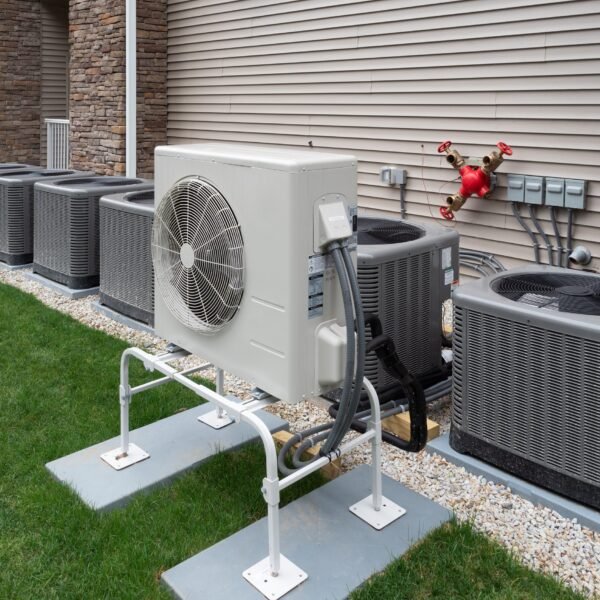
Most South Florida homes have traditionally used a central AC with electric heat strips in the air handler. A heat pump cools just as efficiently and heats two to three times more efficiently than heat strips on the few nights you need heat. Because the price difference is now small, a heat pump is usually the better choice when you replace a system.
What About Geothermal?
Geothermal systems post the highest efficiency ratings, but they are rare in South Florida. The cost of the ground loop, small lot sizes and local soil and water conditions make the payback hard to justify for most homes. A high-efficiency variable-speed heat pump gets you most of the benefit for a fraction of the cost.
Cost Effective HVAC Systems: Upfront Price vs. Lifetime Cost
The cheapest system to buy is rarely the cheapest to own. The most cost effective HVAC systems balance the installed price against 12 to 15 years of electric bills, repairs and comfort.
A Simple Savings Example
Say an older 10 SEER system costs about $2,000 a year to run in a Boca Raton home. A new 17 SEER2 system uses roughly 40 percent less electricity for the same cooling, which works out to about $800 a year, or around $10,000 over a 12-year life. A 15 SEER2 system would save closer to $700 a year. Actual savings depend on your electric rate, home size, insulation and thermostat habits, but the pattern holds: in a long cooling season, efficiency pays back faster than in most of the country.
How to Find Your Best Value
- Plan to stay 7+ years? A two-stage or variable-speed system at 17 SEER2 or higher usually pays off.
- Selling within 3 to 5 years? A quality 15.2 to 16 SEER2 system meets ENERGY STAR and keeps the upfront cost lower.
- High summer bills or humidity problems? Variable speed is worth the premium for comfort alone.
- Only one room is a problem? A ductless mini-split may solve it for far less than a full replacement.
Rebates and Incentives in 2026
The federal 25C energy efficient home improvement tax credit ended for equipment installed after December 31, 2025, so 2026 installations do not qualify. FPL customers can still get a rebate on qualifying central AC and heat pump systems rated 15.2 SEER2 or higher when installed by a participating contractor. Many manufacturers also run seasonal rebates, and financing can spread the cost over time. Ask your installer what applies before you sign.
Energy Efficient HVAC Installation: Why Sizing and Setup Matter
Even the best equipment will waste energy if it is installed poorly. Field studies from the Department of Energy and ENERGY STAR show that sizing, airflow and refrigerant charge errors can rob a new system of a large part of its rated efficiency. That is why the installer you choose matters as much as the brand.
Right-Sizing with a Manual J Load Calculation
A system that is too big cools the house fast, shuts off, and never runs long enough to remove humidity. That short cycling wears out parts and leaves rooms clammy. A system that is too small runs nonstop on the hottest days. A Manual J load calculation measures your home’s actual heat gain based on square footage, insulation, windows, sun exposure and air leaks. Be cautious of any quote that sizes the new system by simply matching the old one.
Ductwork: The Hidden Efficiency Leak
ENERGY STAR estimates that a typical home loses 20 to 30 percent of the air moving through its ducts to leaks, holes and poor connections. In a Florida attic that can reach 130°F or more, leaky ducts mean you are paying to cool the attic. Ask for a duct inspection and sealing or repair as part of the quote.
Your Energy Efficient HVAC Installation Checklist
Use this list to compare contractors and make sure your energy efficient HVAC installation is done right:
- A Manual J load calculation, not a rule-of-thumb guess.
- An AHRI-matched outdoor unit, indoor coil and air handler.
- Duct inspection, with sealing or repairs where needed.
- Line set flushed or replaced, pressure-tested and evacuated to a deep vacuum before charging.
- Refrigerant charge, airflow and temperature split measured and recorded at startup.
- Proper permits, hurricane tie-downs on the outdoor unit and a float switch on the drain.
- Thermostat setup and a walkthrough of how to use the new system.
- Clear written warranty terms for parts and labor.
Our HVAC Installation Service follows each of these steps, so your new system runs at the efficiency you paid for from day one.
How to Keep a New System Running Efficiently
A new system starts at its peak, but dust, debris and South Florida humidity begin to chip away at performance right away. Change or check the filter every one to three months, keep two feet of clear space around the outdoor unit and schedule professional tune-ups twice a year. Regular care protects your HVAC System Efficiency and keeps your manufacturer warranty valid.
Signs It Is Time to Upgrade to an Energy Efficient System
- Your system is 12 to 15 years old or older.
- It still uses R-22 refrigerant, which is no longer produced.
- Energy bills keep rising even though your usage has not changed.
- Some rooms are always too warm or the house feels damp.
- Repairs are becoming frequent or a major part such as the compressor has failed.
If one or more of these sound familiar, a free in-home assessment can tell you whether a repair still makes sense or an upgrade will save more over time.
Frequently Asked Questions
What is the most energy efficient HVAC system for a Florida home?
For most homes with ducts, a variable-speed heat pump rated 18 SEER2 or higher gives the most efficient cooling and the best humidity control. For homes without ducts or for single rooms, a ductless mini-split is often the most efficient option.
What SEER2 rating should I choose in Boca Raton?
The minimum for new systems in the Southeast is 14.3 SEER2. We recommend at least 15.2 SEER2, the ENERGY STAR level, and 16 to 18 SEER2 for most homeowners who plan to stay in the home for several years.
How much does an energy efficient HVAC installation cost?
Most South Florida homeowners pay about $8,500 to $18,000 for an energy efficient HVAC installation of a central heat pump or AC system, depending on size, efficiency level and ductwork. Ductless mini-splits start around $3,500 per zone.
Is energy efficient HVAC equipment worth the higher price?
In South Florida, usually yes. Because the AC runs most of the year, energy efficient HVAC equipment pays back faster here than in cooler states, and it adds comfort through better humidity control and quieter operation.
How does an HVAC system work to lower humidity?
As warm air passes over the cold indoor coil, moisture condenses on the coil and drains away. Systems that run longer at lower speeds, like variable-speed models, remove more moisture than systems that cycle on and off.
What are the most cost effective HVAC systems?
For most Boca Raton homes, a two-stage or variable-speed heat pump in the 16 to 18 SEER2 range offers the best balance of upfront cost and long-term savings. Proper sizing and sealed ducts make any system more cost effective.
How long does an HVAC installation take?
A standard replacement usually takes one day. Jobs that include new ductwork, electrical upgrades or a change in system type can take two to three days.
About Greg’s Air Solutions
Greg’s Air Solutions LLC is a heating and air conditioning company serving Boca Raton and nearby South Florida communities. Our licensed technicians handle system sizing, installation, maintenance and repairs for homes of every size. If you need dependable AC Repair Installation in Boca Raton, FL, our team gives honest recommendations and clear, written quotes with no pressure.