
Clean air can change the feeling of a home. Fresh rooms feel calmer, cooler, and easier to enjoy. Yet, the hidden duct system often receives little attention. Dust, moisture, and debris can collect inside ducts over time. In some cases, pests or visible mold can also become a concern. Understanding Duct Cleaning trends can help homeowners separate real warning signs from common myths. So, look beyond a dusty vent. Notice changes in air quality, odors, airflow, and visible debris. These clues can reveal when the system needs closer attention. Also, remember that dirty ducts are only one possible source of indoor air pollution. Cooking, cleaning, outdoor air, and other household activities can add particles too.
1. Dust Keeps Returning Around Your Vents
Notice dust gathering around supply vents soon after cleaning? That pattern deserves attention. A small amount of dust does not automatically mean dirty ducts. Return registers naturally collect dust because they pull air into the system. However, heavy deposits deserve a closer look, especially when debris appears inside the duct opening.
Follow these clues:
- Notice heavy dust around several vents.
- Watch for particles coming from supply registers.
- Check visible duct surfaces for large debris deposits.
Understanding Duct Cleaning trends also means recognizing the difference between normal dust and substantial contamination. That distinction can save time, money, and unnecessary work.
2. Strange or Musty Odors Keep Coming Back
A home should smell like a home, not like a damp basement. Therefore, pay attention when a musty smell appears whenever the air conditioner runs. Odors can have several causes, including moisture, dirty components, standing water, or other indoor sources. Another important distinction involves Professional Duct Installation Coconut Creek FL. Proper installation can help reduce leaks, moisture issues, and airflow losses. EPA guidance also emphasizes proper sealing and moisture control as important preventive measures.
A musty odor does not automatically prove mold exists inside the ducts. Still, persistent odors deserve investigation. Moisture creates conditions that can support biological growth. The EPA notes that controlling moisture remains a key part of preventing biological growth inside air systems.
Duct Cleaning trends increasingly focus on moisture control because cleaning alone cannot solve an ongoing water problem. If moisture continues entering the system, contamination can return. Therefore, identify the source before treating the odor as a simple cleanliness issue.
3. Airflow Feels Weak or Uneven
Imagine setting the thermostat comfortably, yet one room still feels warm. Meanwhile, another room feels noticeably cooler. Uneven airflow can make a home uncomfortable and may point to several HVAC problems.
Dirty ducts can sometimes contribute when substantial debris restricts airflow. However, airflow problems can also come from clogged filters, blocked vents, duct leaks, damaged ductwork, or equipment problems. Therefore, avoid blaming the ducts immediately.
Start with the simple clues. Check whether furniture blocks a vent. Notice whether the air filter looks heavily loaded with dust. Then, compare airflow between several rooms.
Knowing how often should ducts be cleaned can prevent unnecessary assumptions. There is no universal schedule for every home. The EPA recommends cleaning based on actual conditions rather than routine calendar dates.
Duct Cleaning trends also highlight a useful point: airflow complaints deserve a system-wide view. A clean duct cannot correct every HVAC problem.
For example, a damaged blower can weaken airflow throughout the house. Likewise, a poorly sealed duct can lose conditioned air before it reaches a room. Thus, treat weak airflow as a warning sign worth checking, not proof of dirty ducts.
4. You See Mold-Like Growth Inside the System
Visible mold-like growth is one of the stronger warning signs. However, appearance alone cannot confirm that a substance is mold. The EPA notes that expert evaluation or laboratory analysis may be needed for confirmation. Similarly, Residential Duct Installation Hallandale Beach FL should not be confused with routine duct maintenance. New installation and cleaning solve different problems.
Look closely at accessible areas around vents and HVAC components. Do not assume dark spots automatically mean mold. Dust, dirt, and other materials can look similar. Wet or moldy fiberglass duct material presents a special concern.
Duct Cleaning trends increasingly emphasize prevention alongside cleaning. Dry ducts generally create a less favorable environment for biological growth.
Remember the WIIFM benefit: identifying moisture early can help prevent repeated contamination and protect the condition of the HVAC system. Also, avoid relying on smell alone. Some mold may have little noticeable odor, while other smells may have completely different causes.
5. Pests or Debris Appear Inside the Ducts
Hearing scratching near vents can make anyone uneasy. Seeing signs of insects or rodents inside the duct system deserves even more attention. The EPA specifically lists vermin infestation as a condition that may justify duct cleaning.
Do not confuse ordinary household dust with pest contamination. Look for clear signs connected to insects or rodents. Debris inside accessible duct sections can also provide useful clues. These conditions do not always mean the entire system requires cleaning. Instead, identify the affected area and the reason contamination occurred.
Duct Cleaning trends also show why prevention matters. A damaged duct, open connection, or moisture problem can allow contamination to return.
When pests appear, focus on the source first. Cleaning without addressing the entry point may only provide a temporary result.
6. How Often Should Air Ducts Be Checked?
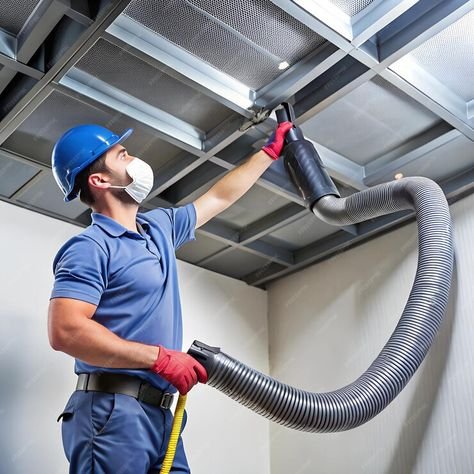
Homeowners often ask how often should ducts be cleaned, but a fixed answer does not fit every property. The EPA does not recommend routine duct cleaning simply because a certain number of years has passed. Instead, visible contamination and specific conditions matter more. Likewise, new or damaged ductwork can create airflow concerns without requiring cleaning. Professional air duct installation in Hypoluxo, FL represents a different need from removing accumulated debris. Installation addresses system design and duct condition, while cleaning addresses contamination.
Consider the Home’s History
Homes can collect different amounts of dust based on location, construction, occupancy, and maintenance. Renovation work can also create large amounts of airborne debris.
Consider the HVAC System
Filters, coils, drain pans, duct seals, and other components all affect system cleanliness. A dirty component can create problems even when the ducts look fairly clean.
Consider Visible Evidence
Look for substantial dust, pest activity, or confirmed mold-like contamination. Those signs provide stronger reasons for further evaluation than age alone.
Duct Cleaning trends should therefore focus on condition rather than an automatic yearly appointment.
A home that remains clean and dry may not need frequent duct cleaning. Conversely, a system exposed to construction dust, pests, or moisture may need attention sooner.
The main benefit comes from making decisions based on evidence. That approach reduces unnecessary cleaning while helping homeowners respond when genuine contamination appears.
7. What About Cleaning the Air Conditioner Ducts?
Many homeowners search for how to clean air conditioner ducts when dust or odors appear. The answer depends on the duct material, contamination level, and condition of the HVAC system.
Simple vent cleaning differs from cleaning the entire duct system. A homeowner can usually remove visible dust from accessible grilles with normal household cleaning. However, deeper contamination requires more careful assessment.
Also, avoid assuming that chemical treatments are always necessary. The EPA says research has not established broad benefits for chemical biocides or sealants inside air ducts.
The same principle applies to an ac vent clean. A clean grille can improve appearance, but it does not prove that the duct behind it is contaminated.
Duct Cleaning trends increasingly place attention on the complete HVAC system. Cooling coils, drain pans, filters, blowers, and ducts can all affect system performance.
For homeowners, the WIIFM is simple: understand what actually needs attention before paying for unnecessary work. A focused assessment can reveal whether the issue comes from the vent, ductwork, HVAC equipment, moisture, or another indoor source.
8. What Should Homeowners Look For Before Cleaning?
Before considering duct cleaning, gather clear information. Look around accessible vents and note unusual dust, odors, moisture, or pest evidence. Also, consider recent remodeling, water damage, or HVAC changes. Local conditions can influence household HVAC concerns. For example, homeowners researching duct cleaning Coconut Creek, FL may deal with warm, humid weather that makes moisture control especially important. Humidity does not automatically mean ducts need cleaning, but moisture deserves attention when contamination appears. Therefore, look at the complete system before choosing a solution. Duct Cleaning trends can provide useful context, but visible evidence should guide the final decision.
Know the Difference Between a Real Warning and a Common Myth
Air ducts naturally collect some dust. That fact alone does not mean a home has unhealthy air or requires immediate cleaning. The EPA states that research has not conclusively shown that dirty ducts cause higher indoor particle levels or that routine duct cleaning prevents health problems. That distinction matters because homeowners deserve facts instead of fear. Look for substantial contamination rather than ordinary dust. Notice persistent moisture, pest evidence, visible mold-like growth, or debris entering living spaces.
Duct Cleaning trends can change as research develops, but the basic principle remains useful: investigate clear evidence. A careful approach protects both comfort and household budgets. It also keeps duct cleaning in its proper place as one part of indoor air care.
Keep the Air System in Perspective
The best indoor air decisions begin with observation. Notice changes before assuming the cause. Check filters, vents, moisture, HVAC components, and visible duct areas. Then, connect those clues before deciding whether cleaning makes sense.
Remember Duct Cleaning trends, but do not let trends replace evidence. A clean-looking home can still have an HVAC issue. A dusty vent can also exist without serious duct contamination.
For homeowners comparing information from Greg’s Air Solutions LLC, the same evidence-based approach remains useful. Ask what the visible signs mean, identify the likely source, and separate cleaning needs from repair or installation needs.
FAQs
1. How often should air ducts be cleaned?
There is no universal cleaning schedule for every home. The EPA recommends considering duct cleaning when substantial mold, pests, or excessive dust and debris are present.
2. Can dirty air ducts make a home dusty?
Dirty ducts can contain substantial dust and debris, but household dust has many sources. The EPA says research has not conclusively shown that dirty ducts increase indoor particle levels.
3. Does a musty smell always mean mold?
No. A musty smell can have several causes, including moisture, damp materials, dirty components, or other areas of the home.
4. Can homeowners clean air vents themselves?
Accessible vent covers can usually receive basic household cleaning. However, deeper duct contamination involves more of the HVAC system.
5. Does duct cleaning improve HVAC efficiency?
Cleaning certain HVAC components may improve efficiency when those components are dirty. However, the EPA says there is limited evidence that cleaning only the ducts improves system efficiency.