
Getting a new heating and cooling system can feel like a big step. You may have many questions. How long will it take? What will happen in your home? At Greg’s Air Solutions LLC, we walk every customer through each stage of HVAC Installation so there are no surprises. This guide breaks down the full hvac system installation journey in simple terms, so you know exactly what to expect from start to finish.
Why the Right HVAC Installation Matters
A home is only as comfortable as the system that heats and cools it. When you invest in a new unit, the goal is simple: steady comfort, lower bills, and clean air. But comfort only happens when the hvac unit install is done right. A rushed or careless job can lead to weak airflow, high energy bills, and early breakdowns.
This is why so many homeowners trust our team for The HVAC Installation Process: What to Expect, a step-by-step approach built on years of hands-on field work. We don’t cut corners. Every wire, duct, and bolt gets checked twice.
Step 1: The Home Assessment
Before any tools come out, a trained technician visits your home. They look at your current ductwork, your home’s size, and your insulation. They also ask about your comfort goals. Do you want quieter rooms? Lower bills? Better air quality?
This step matters a lot. A system that’s too big or too small will never work well. Getting this right is the base of any strong hvac system installed in your home.
Step 2: Choosing the Right Equipment
Not every home needs the same unit. Some homes need more power. Some need better airflow control. Our team helps you pick a system that fits your space and your budget.
For coastal homes, we often guide clients toward options built for salty air and high humidity. If you’re searching for Energy Efficient HVAC Riviera Beach, FL solutions, our team knows which brands and models hold up best in that climate, while also cutting monthly power costs.
Step 3: Removing the Old System
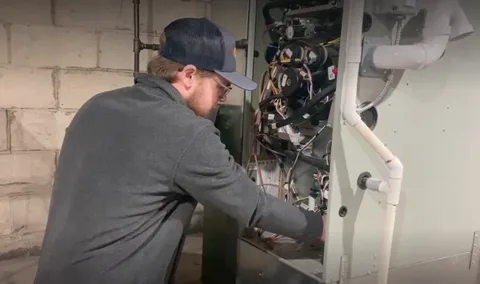
If you’re replacing an old unit, the next step is careful removal. Our crew disconnects power, drains refrigerant safely, and takes out the old equipment without damaging your walls or flooring. Safety rules guide every part of this stage, since old refrigerants must be handled with care.
Step 4: Preparing the Space
Once the old system is gone, we prepare the space for the new one. This can mean adjusting ductwork, sealing gaps, or building a new pad for outdoor units. Poor prep work is one of the biggest reasons systems fail early. We never skip this step, even when a job is tight on time.
Step 5: The Actual Installation
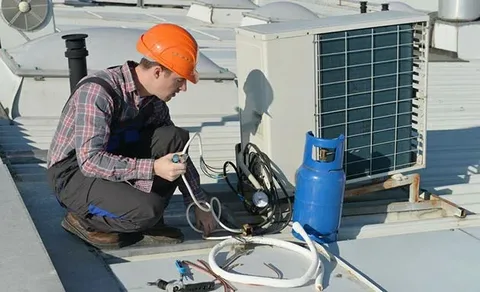
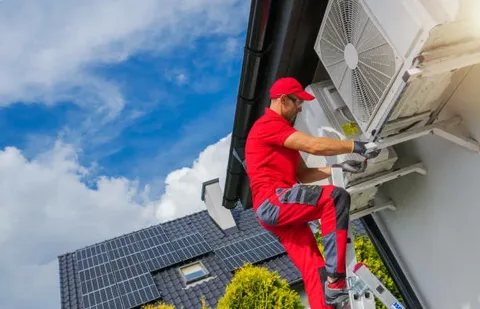
Now the real work begins. Technicians place the indoor and outdoor units, connect wiring, link refrigerant lines, and test the ductwork for leaks. This is the heart of any hvac system installation, and precision here decides how well your system performs for years to come.
For commercial spaces, this stage looks a bit different. Larger buildings need stronger units, added safety checks, and often rooftop placement. If your business needs Commercial HVAC Installation Sunrise, FL services, our team brings commercial-grade tools and training to handle offices, retail stores, and warehouses without disrupting daily operations.
Step 6: System Testing
After the physical work is done, we test everything. This includes checking airflow, thermostat response, refrigerant levels, and electrical safety. We also run the system through a few cooling and heating cycles to catch any issues early. A good ac installation onset service always ends with full testing, not just a quick plug-in and walkout.
Step 7: Walkthrough and Homeowner Training
Once testing is complete, we walk you through your new system. You’ll learn how to use your thermostat, when to change filters, and what warning signs to watch for. This step builds trust and helps you get the most out of your new setup.
How Long Does Installation Take?
Most home installations take one full day. Larger homes or commercial buildings may take two to three days. Weather, home layout, and ductwork conditions can also affect timing. Our team always gives a clear time estimate before work begins, so you can plan your day.
Signs You May Need a New System
- Your unit is older than 12 to 15 years
- Energy bills keep rising without a clear reason
- Repairs are becoming frequent and costly
- Some rooms feel too hot or too cold
- Strange noises or smells come from the vents
If any of these sound familiar, it may be time to explore HVAC Installation options that match your home’s current needs.
Why Choose Greg’s Air Solutions LLC
We’ve built our name on trust, clean work, and honest pricing. Every technician on our team follows the same steps outlined above, no shortcuts, no guesswork. Whether it’s a small home or a large commercial building, we treat every job with the same care and attention to detail.
Our local knowledge also gives us an edge. We understand the climate challenges of South Florida, from salty coastal air to heavy summer humidity. This local insight shapes every recommendation we make, helping you avoid systems that fail too soon in this environment.
Frequently Asked Questions
- How much does HVAC installation cost?
Cost depends on your home’s size, system type, and ductwork condition. Our team gives a free estimate before any work begins. - Can I install a new HVAC system myself?
This is not recommended. HVAC systems involve electrical work, refrigerant handling, and precise sizing. A licensed technician should always handle hvac system installation. - How often should I replace my HVAC system?
Most systems last 12 to 15 years with proper care. Once you pass this age, repair costs often outweigh the benefit of keeping the old unit. - What’s the difference between residential and commercial installation?
Commercial systems are larger and often placed on rooftops. They also need stronger airflow control to serve bigger spaces. This is why Commercial HVAC Installation Sunrise, FL projects require specialized training and equipment. - Do you offer energy-efficient options?
Yes. We offer a range of high-efficiency units designed to lower monthly bills while keeping your home comfortable year-round, including our popular Energy Efficient HVAC Riviera Beach, FL packages. - How soon can I get a new system installed?
Most jobs are scheduled within a few days of your first call, depending on your area and system availability. Contact Greg’s Air Solutions LLC today to get started with your HVAC Installation.