
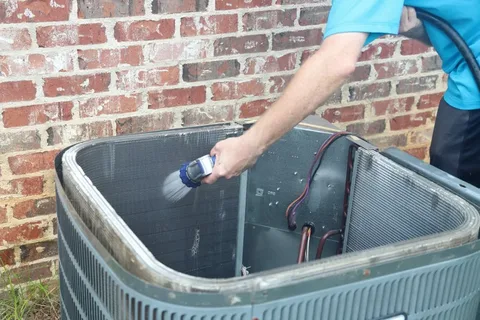
One of the most common concerns they report is water dripping from ac vent openings, especially from ceiling vents and bathroom vents. This issue often appears without warning and can quickly lead to ceiling stains, peeling paint, or even structural damage if ignored. Understanding why this problem happens is the first step toward protecting your home and avoiding expensive HVAC repairs.
Water leaking from an air vent is never part of normal system operation. Your air conditioner is designed to remove heat and humidity from indoor air and safely direct moisture through a condensate drain system. When that process is interrupted, moisture escapes in places it should not. Below, we explain the most common causes of air conditioning vent leaking, how to identify the issue, and what actions will help fix it effectively.
Air Leaks Around the AC Vent and Poor Sealing
One of the most overlooked causes of air vent dripping water is poor sealing around the vent frame. When conditioned air escapes through gaps instead of flowing through the grille, warm attic air mixes with cold supply air. This temperature clash creates condensation around the vent housing, which eventually leads to visible water dripping.
Homes in humid regions like Boca Raton are especially vulnerable. High humidity combined with poorly sealed duct boots creates the perfect conditions for moisture buildup. Many homeowners experiencing this issue end up needing professional support such as bold AC Repair & Installation in Boca Raton, FL bold to prevent recurring damage and restore proper airflow.
Sealing air leaks usually involves inspecting vent edges for escaping air and applying HVAC-grade caulking or insulation. While this may seem minor, proper sealing significantly reduces condensation and improves system efficiency.
Clogged Condensate Drain Line Causing Overflow
Another major reason for water dripping from ac vent issues is a clogged condensate drain line. As your AC removes humidity, moisture collects on the evaporator coil and drains into a drip pan. If the drain line becomes blocked by algae, dust, or debris, water backs up and overflows into air ducts and vents.
This problem is especially common in attic-installed systems, where gravity directs excess water toward ceiling vents. Homeowners may also notice musty odors or higher indoor humidity. Regular servicing from bold HVAC Maintenance Service Experts in Boca Raton, FL bold helps keep drain lines clear and prevents overflow before it causes interior damage.
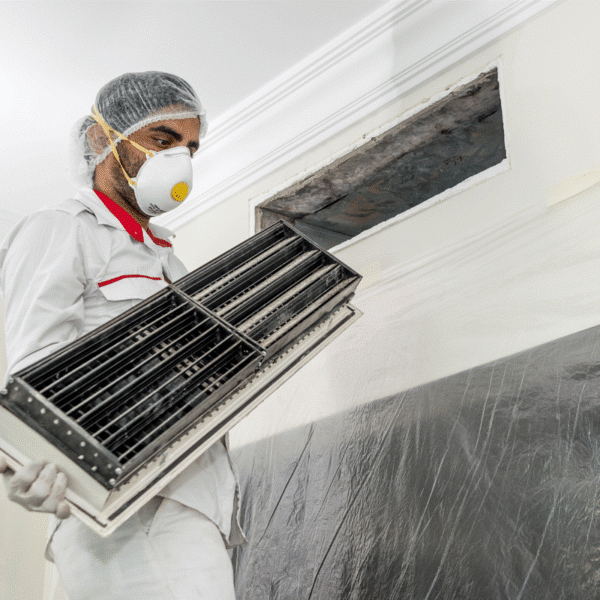
Routine maintenance, including drain flushing and drip pan inspections, ensures moisture exits the system safely and does not reappear inside your home.
Dirty Air Filters and Restricted Airflow
A dirty air filter is an indirect but frequent cause of water dripping from a vent in bathroom areas. When airflow becomes restricted, the evaporator coil can freeze due to reduced heat exchange. Once the system shuts off, the ice melts rapidly, producing excess water that overwhelms the drain system.
Bathrooms are particularly affected because they naturally contain higher humidity levels. When restricted airflow combines with moist air, condensation inside ductwork increases. Many homeowners facing this issue eventually require professional solutions like bold HVAC Installation Service in Boca Raton, FL bold to address airflow imbalances and aging components.
Replacing air filters regularly maintains airflow, prevents coil freezing, and reduces moisture buildup throughout the system.
Uninsulated or Poorly Insulated Ductwork
Ductwork running through unconditioned attic spaces is highly prone to condensation if insulation is missing or damaged. Cold air traveling through warm attic environments causes moisture to form on the duct exterior, which then drips into ceiling vents.
This type of air conditioning vent leaking often goes unnoticed until water stains appear. Many homeowners mistakenly assume the issue is a roof leak. Proper duct insulation prevents temperature differences from creating condensation and significantly improves energy efficiency.
Refrigerant Issues and Frozen Evaporator Coils
Low refrigerant levels can also lead to water dripping from ac vent problems. When refrigerant is insufficient, the evaporator coil cannot absorb heat properly and begins to freeze. As the ice melts, excess water overwhelms the drain system and leaks through vents.
Refrigerant problems are never DIY-safe. Low levels usually indicate a leak that requires professional diagnosis and repair. If poor cooling performance accompanies vent leaks, expert inspection is critical.
Plumbing or Roof Leaks Mistaken for AC Problems
Sometimes, dripping water is not caused by the HVAC system at all. Plumbing leaks or roof damage above ductwork can allow water to travel along ducts and exit through vents. If water continues dripping when the AC is turned off or worsens during rainfall, the issue may not be HVAC-related.
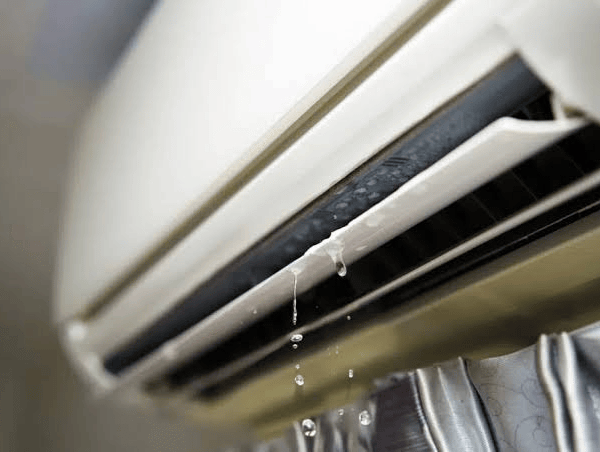
Accurate diagnosis ensures the correct repair path and prevents unnecessary system work.
Preventing Future AC Vent Leaks
Preventative maintenance is the most effective way to stop recurring moisture problems. Regular inspections, air filter replacements, drain line cleaning, and duct insulation checks all work together to keep condensation under control.
A well-maintained HVAC system not only prevents leaks but also improves comfort, extends system lifespan, and lowers energy costs.
Final Thoughts
Water dripping from vent openings should never be ignored. Whether caused by clogged drains, airflow restrictions, insulation issues, or refrigerant problems, early action prevents costly repairs and long-term damage. Homes in humid climates face higher risk, making routine HVAC maintenance essential.
Understanding how moisture forms and moves through your HVAC system allows you to make informed maintenance decisions. Professional inspections ensure problems are resolved safely and efficiently, restoring comfort and protecting your home.
Frequently Asked Questions
Why is water dripping from my AC vent only in the bathroom?
Bathrooms produce higher humidity, which increases condensation inside ductwork. Poor airflow or insulation makes bathroom vents more likely to leak.
Is water dripping from an AC vent dangerous?
The water itself is not dangerous, but it can lead to mold, ceiling damage, and electrical hazards if ignored.
Can I fix an air vent dripping water myself?
Basic fixes like changing air filters or sealing minor air leaks can be DIY. Refrigerant or coil issues require professional service.
How often should HVAC maintenance be scheduled?
Professional HVAC maintenance should be done at least once per year, with air filters replaced every one to three months.