
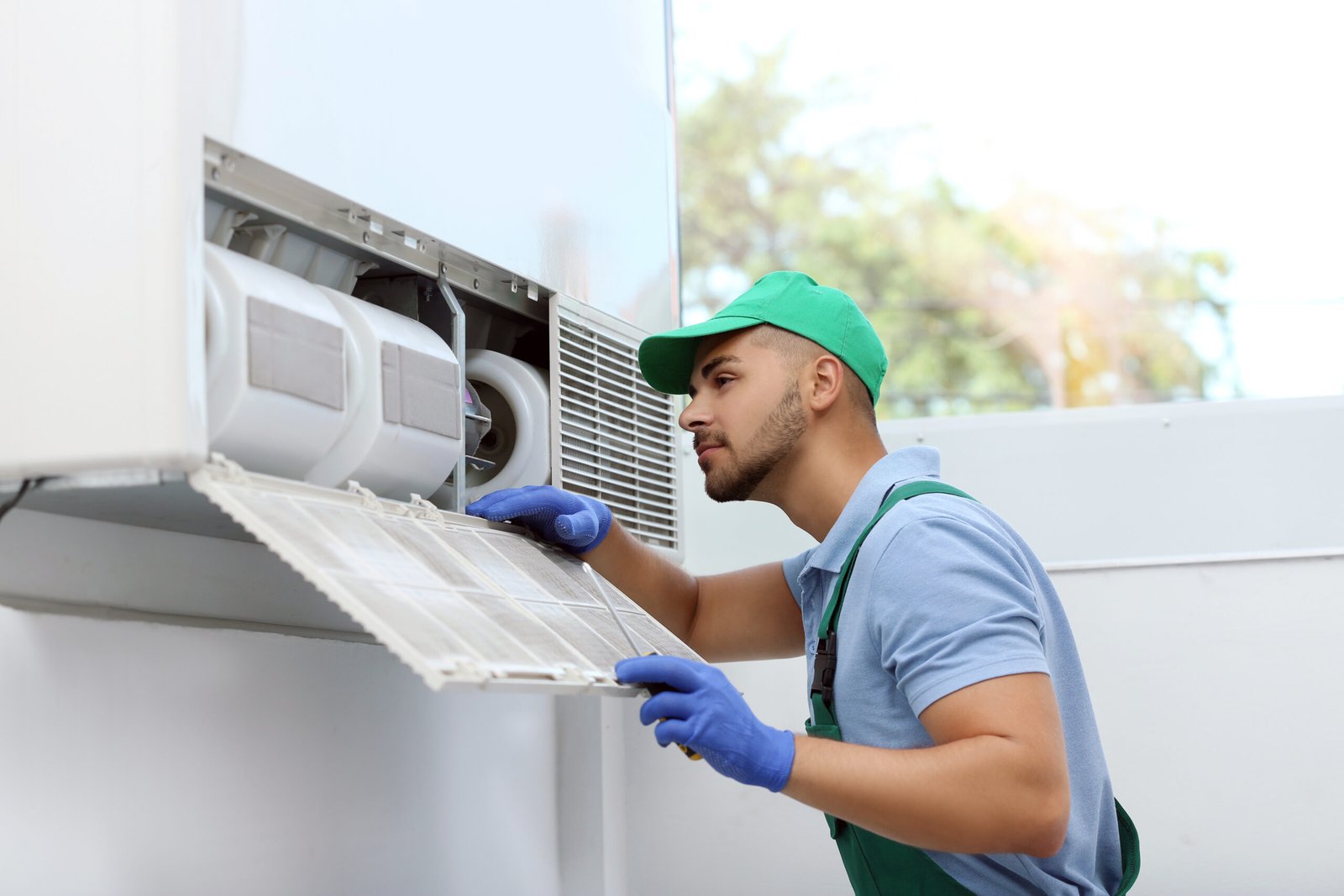
One of the most common questions we hear is is electricity or gas? This confusion is understandable. Monthly utility bills, refrigerant refills, and HVAC terminology can make air conditioning systems seem more complex than they really are. The short answer is that most residential air conditioning systems run on electricity, not gas, but the full explanation matters if you want to understand costs, efficiency, and long-term performance.
This guide breaks down how air conditioners actually work, clears up common myths, and explains where gas fits into the picture. We will also explain how different systems operate, including central AC units, and when professional help such as AC Repair & Installation in Boca Raton, FL becomes essential for homeowners.
How Air Conditioners Are Powered in Modern Homes
Many homeowners ask whether cooling systems rely on gas because they hear terms like “refrigerant” or “AC gas.” In reality, electricity powers nearly every component inside a standard air conditioning system. Motors, fans, compressors, and control boards all depend on electrical energy to operate efficiently and consistently.
Electricity allows the air conditioner to circulate air, compress refrigerant, and remove heat from inside the home. Without electrical power, the system cannot start or maintain cooling, regardless of the type of unit installed. This is why power outages immediately shut down cooling systems in most houses.
If your system shows signs of electrical issues such as frequent shutdowns, weak airflow, or failure to start, reaching out to HVAC Services in Coconut Creek can help identify whether wiring, components, or system age is causing the problem before it worsens.
Does Aircon Use Electricity in Every Cooling Cycle?
To understand whether an aircon uses electricity, it helps to look at how the cooling cycle works. Inside the system, electricity powers the compressor, which pressurizes refrigerant and pushes it through the system. Fans inside the indoor and outdoor units also rely on electricity to move air across coils.
The evaporator absorbs heat from indoor air, while the condenser releases that heat outside. This entire process depends on electrical energy to keep refrigerant moving and air circulating. Even advanced systems with smart thermostats and zoning features still rely on electricity as their primary energy source.
If your home experiences rising energy bills without improved comfort, professional evaluation from HVAC Installation Contractor in Lighthouse Point, FL can help determine whether your system is operating efficiently or needs upgrades.
Does Air Conditioning Use Gas in House Systems?
Another common misconception is that air conditioning systems burn gas the same way furnaces do. In standard residential setups, does air conditioning use gas in house systems is usually answered with no. Air conditioners do not burn natural gas or propane to produce cool air.
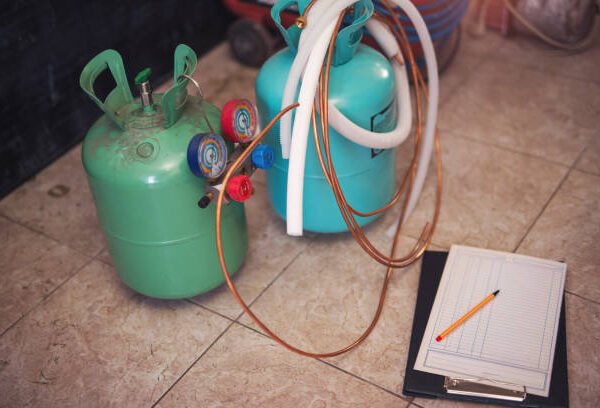
The confusion often comes from refrigerant, which is sometimes called “AC gas.” Refrigerant is not fuel. It does not create energy or heat through combustion. Instead, it absorbs and releases heat as it changes state from liquid to gas and back again. Electricity drives this movement, not gas.
Homes with gas lines often use gas-powered furnaces for heating, while cooling remains electric. This split system setup is extremely common across residential properties.
Does AC Use Gas or Electricity in House Setups?
So, does ac use gas or electricity in house environments? For cooling, electricity is the answer almost every time. However, certain HVAC systems combine both gas and electric elements. For example, a home may have a gas furnace paired with an electric air conditioner in a single HVAC system.
In this setup, gas is only used for heating during colder months. Cooling is still handled by the electric AC portion. Heat pumps, which provide both heating and cooling, also rely primarily on electricity rather than gas, making them energy-efficient options in many climates.
Understanding this distinction helps homeowners plan upgrades, estimate utility costs, and choose the right system for long-term comfort and efficiency.
Central Air Conditioner Gas or Electric Explained Clearly
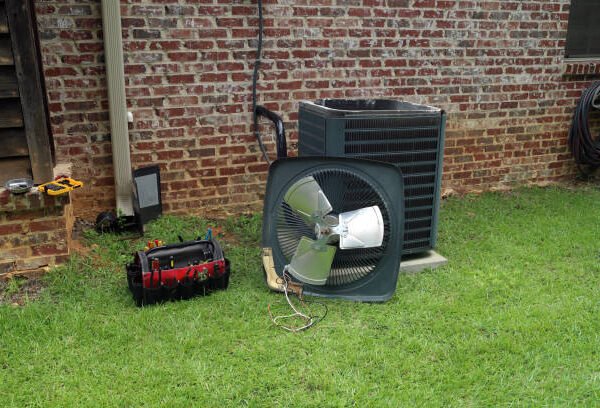
A central air conditioner gas or electric question often comes from homeowners who see large outdoor units and assume gas is involved. Central AC systems are electric. The outdoor condenser unit uses electricity to power the compressor and fan, while the indoor air handler distributes cooled air through ductwork.
Gas may only be present if the system is paired with a gas furnace for heating. Even then, the air conditioning side remains electric. This distinction is important when budgeting for energy costs and deciding on system replacements or upgrades.
If your central AC struggles to cool evenly or runs longer than expected, professional diagnostics can identify whether age, insulation, or system design is affecting performance.
Why Refrigerant Is Not the Same as Gas Fuel
Refrigerant often causes confusion because it changes from liquid to gas during operation. However, it is not fuel and does not power the system. Refrigerant simply moves heat from inside your home to the outside environment.
Electricity allows the compressor to pressurize refrigerant and circulate it properly. If refrigerant levels drop due to leaks, the system becomes inefficient, but adding refrigerant does not replace electrical power. Regular inspections help prevent leaks and maintain safe, efficient operation.
Energy Efficiency and Cost Considerations
Since air conditioners run on electricity, their efficiency is measured by how effectively they convert electrical energy into cooling. High-efficiency units use less electricity to achieve the same level of comfort. This results in lower utility bills and reduced strain on the system.
Older systems may still work, but they often consume more electricity than newer models. Upgrading can improve comfort, reduce breakdowns, and lower long-term operating costs. Proper maintenance also plays a critical role in keeping energy usage under control.
When Professional HVAC Service Is Necessary
Electrical components, refrigerant systems, and airflow issues should always be handled by trained professionals. Attempting DIY repairs can lead to safety risks, system damage, or voided warranties. Professional HVAC technicians ensure systems operate safely, efficiently, and in compliance with local codes.
Routine inspections, timely repairs, and expert installations protect your investment and help your system last longer while delivering consistent comfort.
Final Thoughts
Understanding electricity or gas helps homeowners make smarter decisions about energy use, system upgrades, and maintenance planning. In almost all residential cases, air conditioning systems rely on electricity for cooling, while gas may only be used for heating in combined HVAC setups. Knowing this difference removes confusion, improves budgeting, and ensures you get the right service when problems arise.
Working with experienced professionals ensures your system remains efficient, safe, and reliable year-round, no matter the season.
Frequently Asked Questions
Does AC ever run on gas instead of electricity?
Standard residential air conditioners do not run on gas. Electricity powers the cooling process, while gas may be used only for heating in combined systems.
Why do people say AC uses gas?
This usually refers to refrigerant, which changes into a gas during operation. Refrigerant is not fuel and does not power the system.
Can a power outage stop my air conditioner?
Yes. Since AC systems rely on electricity, they will not function during a power outage.
Is a heat pump gas or electric?
Heat pumps primarily use electricity for both heating and cooling and do not rely on gas in most residential installations.