
Maintaining a comfortable indoor environment is essential, especially in Boca Raton, Florida, where hot and humid conditions are common. Homeowners rely on HVAC systems and air conditioning units to stay cool, healthy, and energy-efficient. Unfortunately, even well-maintained systems can develop issues over time.
Professional HVAC & AC repair services provide fast, reliable, and cost-effective solutions to ensure your system runs efficiently year-round. Greg’s Air Solutions LLC specializes in residential and commercial HVAC & AC repair services, offering installation, repair, maintenance, and emergency support.
This guide covers common HVAC and AC problems, how professional technicians address them, and what homeowners should expect from quality service.
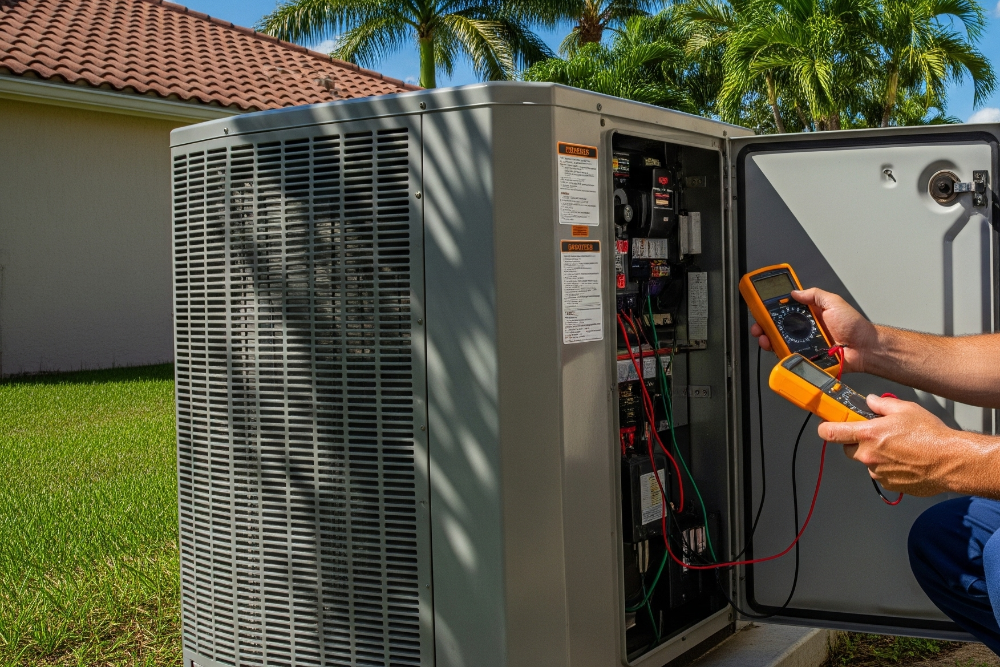
Why Professional HVAC & AC Repair Services Matter
Regular repair and maintenance of HVAC systems and air conditioning units are crucial for several reasons:
Energy Efficiency: A well-maintained system uses less energy, reducing utility bills.
Indoor Air Quality: Properly functioning HVAC units filter air effectively, removing dust, allergens, and pollutants.
Safety: HVAC systems involve electrical components, refrigerants, and gas lines. Professional service ensures safe operation.
Longevity: Regular repairs and inspections extend the lifespan of your system.
Comfort: Efficient systems maintain consistent temperatures, improving indoor comfort.
Attempting DIY HVAC or AC repair services often leads to incomplete solutions, voided warranties, or safety risks. Hiring licensed technicians ensures reliable results.
Common HVAC & AC Problems in Boca Raton
1. AC Not Cooling Properly
One of the most frequent complaints is an air conditioner that fails to cool the home effectively. Causes include:
Low refrigerant levels
Clogged air filters or coils
Faulty compressors or fans
Thermostat malfunctions
Professional technicians perform a thorough inspection, recharge refrigerant if needed, clean or replace filters and coils, and repair or replace faulty components.
2. Uneven Airflow or Hot Spots
Uneven cooling or hot and cold areas can result from:
Blocked vents or ductwork
Dirty air filters
Malfunctioning zone controls
HVAC experts clean ducts, check airflow, and balance the system to ensure consistent comfort throughout the home.
3. Strange Noises or Odors
Banging, squealing, or hissing noises, along with unusual odors, often indicate mechanical or electrical issues:
Loose or worn belts and motors
Refrigerant leaks
Mold or mildew in ductwork
Technicians diagnose the source of noise or odor and perform the necessary repairs, restoring normal operation and eliminating unpleasant smells.
4. Frequent Cycling or System Short-Cycling
Short-cycling occurs when an HVAC system turns on and off too frequently, reducing efficiency and causing wear. Causes may include:
Incorrect thermostat settings
Refrigerant issues
Electrical or control board problems
HVAC & AC repair services’ experts adjust thermostats, repair electrical components, and ensure the system operates smoothly and efficiently.
5. Water Leaks or Excess Condensation
Leaking water or excess condensation can damage walls, flooring, and ceilings. Common causes:
Clogged condensate drain lines
Frozen evaporator coils
Damaged drip pans
Professionals clear drain lines, repair or replace damaged parts, and ensure proper system drainage to prevent water damage.
Benefits of Hiring Local HVAC & AC Repair Services Experts
For homeowners in Boca Raton, Florida, hiring local HVAC specialists provides multiple advantages:
Rapid Response: Local technicians can schedule same-day or emergency service quickly.
Knowledge of Local Climate: Experts understand the regional challenges, such as high humidity and salt-air corrosion.
Licensed and Certified Professionals: Ensures compliance with safety and quality standards.
Tailored Solutions: Services are customized based on home size, system type, and homeowner preferences.
Ongoing Support: Local companies provide follow-up, maintenance plans, and seasonal tune-ups.
How to Maintain Your HVAC & AC System
Proper maintenance reduces repair needs and extends system life. Homeowners should :
Replace or clean air filters every 1–3 months
Schedule annual professional inspections and tune-ups
Keep vents and ducts clear of debris
Ensure thermostat settings are optimized for comfort and energy efficiency
Monitor for unusual sounds, odors, or leaks and address them promptly
Regular maintenance also preserves warranty coverage and prevents costly breakdowns.
Frequently Asked Questions
1. What types of HVAC & AC repair services do professionals provide?
Licensed technicians offer installation, repair, maintenance, emergency service, duct cleaning, and system optimization for residential and commercial properties.
2. How often should I schedule HVAC maintenance?
Experts recommend at least once a year, ideally before summer and winter seasons, to ensure your system runs efficiently during peak usage.
3. How can I tell if my AC needs repair or replacement?
Signs include uneven cooling, frequent breakdowns, high energy bills, strange noises, or water leaks. A professional inspection determines the best solution.
4. Are HVAC & AC repair services expensive in Boca Raton, Florida?
Costs vary depending on system type, repair complexity, and parts needed. Licensed professionals provide upfront estimates and transparent pricing.
5. Can I perform DIY AC repairs?
Minor tasks like replacing air filters are safe, but most repairs involve electrical, refrigerant, or mechanical components and should be handled by certified technicians.
6. How long does a typical HVAC or AC repair take?
Most common repairs are completed in a few hours, depending on the issue and parts availability. Emergency services are often available for urgent problems.
7. Do professional HVAC technicians provide warranties on their work?
Yes, reputable companies like Greg’s Air Solutions LLC offer warranties on labor and parts, ensuring quality and customer satisfaction.
8. How can I improve energy efficiency with my HVAC system?
Regular maintenance, sealing ductwork, upgrading to energy-efficient units, and optimizing thermostat settings all improve energy efficiency and reduce utility costs.