
A comfortable home often starts with something hidden above the ceiling. The duct system moves warm or cool air from the HVAC unit into each room. When that system works well, rooms feel balanced, airflow stays steady, and energy use can remain under control. However, poor duct design can create hot or cold spots, weak airflow, and wasted energy. That is why Duct Installation deserves careful planning and attention. Understanding the process also helps homeowners make better choices before work begins. Whether a home needs new ducts or a major update, a clear plan can prevent common problems. In addition, knowing what happens at each stage makes the work easier to understand. Good ductwork should fit the home, support steady airflow, and remain sealed over time. The seven steps below explain the process in simple terms.
1. Start With a Careful Home Assessment
Every home has a different shape, size, and airflow. Therefore, the first step should focus on understanding the space. Check the number of rooms, ceiling height, insulation, windows, and existing HVAC equipment. These details affect how much air each room needs. A proper assessment can reveal problems before installation begins. For example, an oversized duct may reduce airflow speed. Meanwhile, a duct that is too small can restrict the system.
The goal remains simple: match the duct system with the home. This HVAC installation service in Boca Raton, FL can improve comfort and reduce future repair needs. As a result, homeowners gain a clearer picture before any major work starts.
2. Build a Simple Ductwork Plan
Good ductwork starts with a clear layout. First, map where the supply vents and return vents should sit. Then, consider the shortest practical routes between the HVAC equipment and each room.
A smart layout reduces unnecessary bends and long runs. It can also help air move more evenly throughout the home. For larger homes, the design may need separate zones for different areas.
When learning how to install ducting, remember that planning matters as much as the physical work. Every branch should support the required airflow. Each return path should also provide enough air back to the HVAC system.
Consider these planning points:
- Room size and expected airflow
- Available ceiling and wall space
- Access for future maintenance
- Placement of supply and return vents
A good plan creates fewer surprises later. It also makes the final system easier to inspect, clean, and maintain.
3. Choose Suitable Duct Materials
Duct materials can affect airflow, durability, noise, and maintenance. Common choices include sheet metal, flexible duct, and fiberglass-lined ductwork. Each material has strengths and limits. Sheet metal offers a firm structure and can last for many years. Flexible ducts can fit tight spaces and often make installation easier. However, poor support can cause flexible ducts to sag and restrict airflow. Material selection should also consider the home’s layout. Tight spaces may require flexible sections, while exposed areas may suit rigid ducts better. Local building requirements can also affect acceptable materials. Good material choices can help the system perform consistently. Furthermore, properly supported ducts can reduce strain on the HVAC equipment.
For homeowners comparing an HVAC installation service FL, understanding material choices can make conversations with contractors more productive. Clear questions often lead to better decisions and fewer surprises.
4. Prepare the Installation Area
Preparation creates a safer and cleaner work area. Before ductwork enters the space, remove obstacles that could block access. Protect nearby surfaces from dust and debris when needed.
Next, check the path for electrical wires, plumbing, insulation, and other building components. Careful planning helps prevent accidental damage during installation.
The installation area should also provide enough room for secure duct connections. Tight spaces can make sealing difficult. Therefore, access should remain a key part of the layout. Preparation may seem simple, but it can save time later. A clean route also makes future inspection easier.
5. Connect and Seal Each Duct Section
Once the route is ready, connect each duct section carefully. Secure joints so they remain stable during normal system operation. Then, seal the connections to limit unwanted air loss.
Small leaks can reduce the amount of conditioned air reaching rooms. As a result, the HVAC system may work harder to maintain the desired temperature.
Proper sealing also helps protect the duct system from unwanted dust and moisture. However, sealing alone cannot fix poor design or damaged duct sections. After each connection, check the joint before moving forward. Look for loose sections, gaps, crushed areas, or weak supports.
This stage deserves patience because small mistakes can affect the whole system. A careful approach can improve airflow and support long-term performance.
For example, an air duct installation service in Boca Raton, FL may need to account for local building conditions, attic temperatures, and available installation space.
6. Balance Airflow Across the Home
A new duct system should deliver air evenly. Therefore, airflow should be checked after the main installation work is complete.
Some rooms may need more air because they have larger spaces or greater heat exposure. Other rooms may need less. Proper balancing helps prevent uncomfortable temperature differences.
Check supply vents and return vents throughout the home. Notice whether airflow feels weak, noisy, or unusually strong. These signs can point toward design or installation issues.
The same principle applies during Duct Installation work in existing homes. A new duct section should work with the rest of the system instead of creating a restriction.
Balancing also supports equipment performance. When airflow moves properly, the HVAC system can operate under more suitable conditions.
For homeowners, the benefit is easy to understand. Better airflow can mean more even comfort without constantly adjusting the thermostat.
7. Inspect, Test, and Document the Finished System
The final inspection should confirm that the system works as planned. Check duct joints, supports, insulation, vent connections, and return paths.
Professional testing may include airflow measurements and leak checks. These tests provide more useful information than simply standing near a vent.
Keep records of the finished duct layout when possible. A simple diagram can help future technicians locate branches and access points.
For instance, homeowners researching an AC Repair & Installation in Boca Raton, FL can benefit from keeping accurate duct records. Clear documentation gives future service professionals useful background information.
8. Keep the Duct System Clean and Maintained
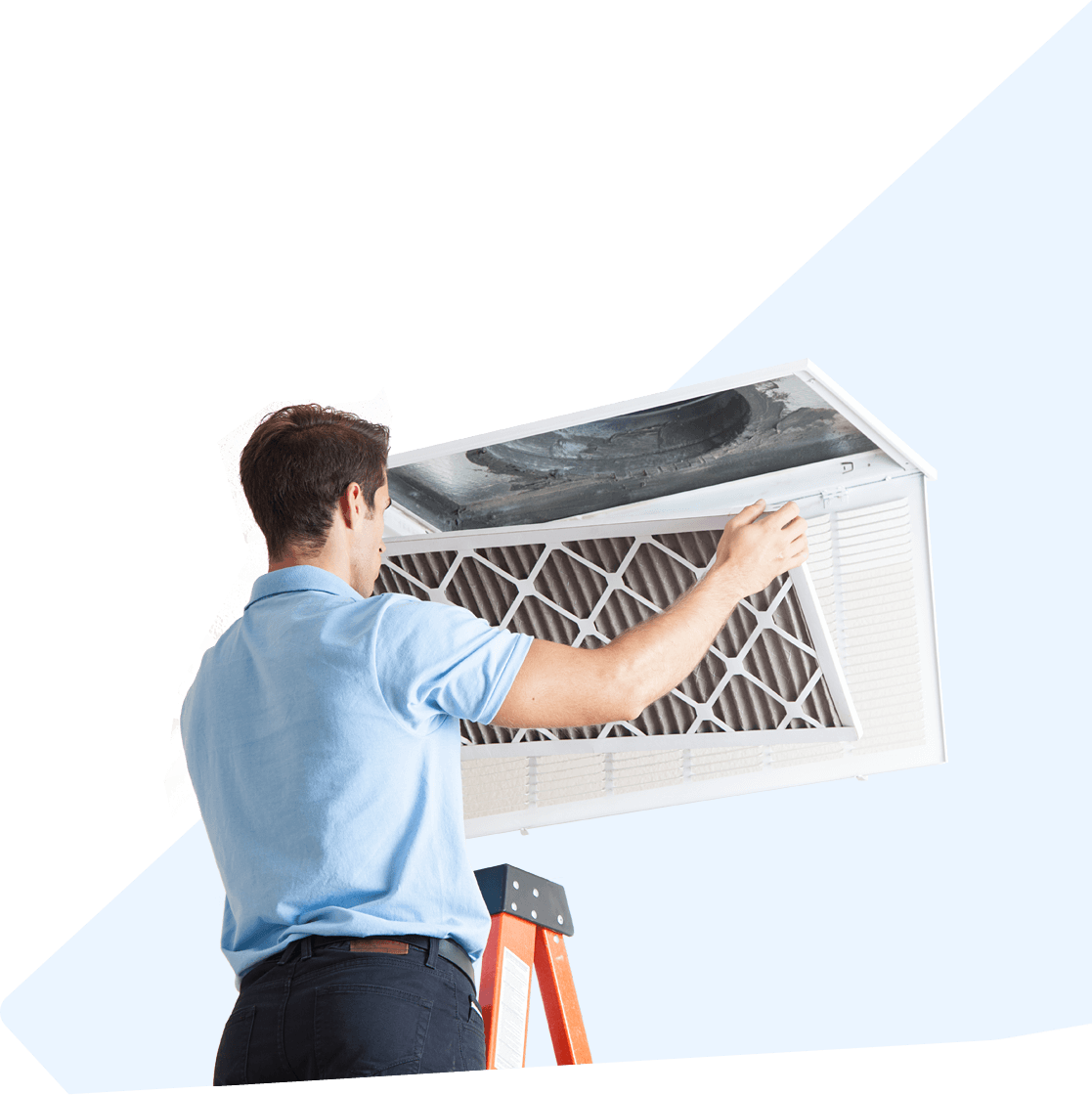
A duct system needs care after installation. Dust can collect over time, especially when filters are neglected. Therefore, regular filter checks remain an important part of HVAC care.
Keep supply and return vents clear of furniture, rugs, and other objects. Restricted vents can affect airflow and comfort.
Also, watch for signs of duct problems. These may include unusual odors, visible damage, weak airflow, or rooms that stay uncomfortable. For homes with special indoor air concerns, a Duct Cleaning System Boca Raton, FL may involve different maintenance needs. Local conditions and building design can influence the right approach.
FAQs
-
How long can ductwork last?
Duct lifespan depends on material, installation quality, moisture exposure, and maintenance. Rigid metal ducts can last for decades when properly maintained.
-
What causes weak airflow from a vent?
Weak airflow can come from blocked filters, closed dampers, crushed ducts, leaks, or poor system design.
-
Does every home need new ductwork?
No. Existing ducts may remain useful when they are properly sized, sealed, supported, and in good condition.
-
Why do some rooms feel hotter than others?
Uneven temperatures can result from duct design, insulation, sunlight, room size, or airflow restrictions.
-
When should ductwork receive professional attention?
Consider an inspection when airflow changes suddenly, rooms become uncomfortable, ducts show damage, or unusual noises appear.